Begin with the real operating basis
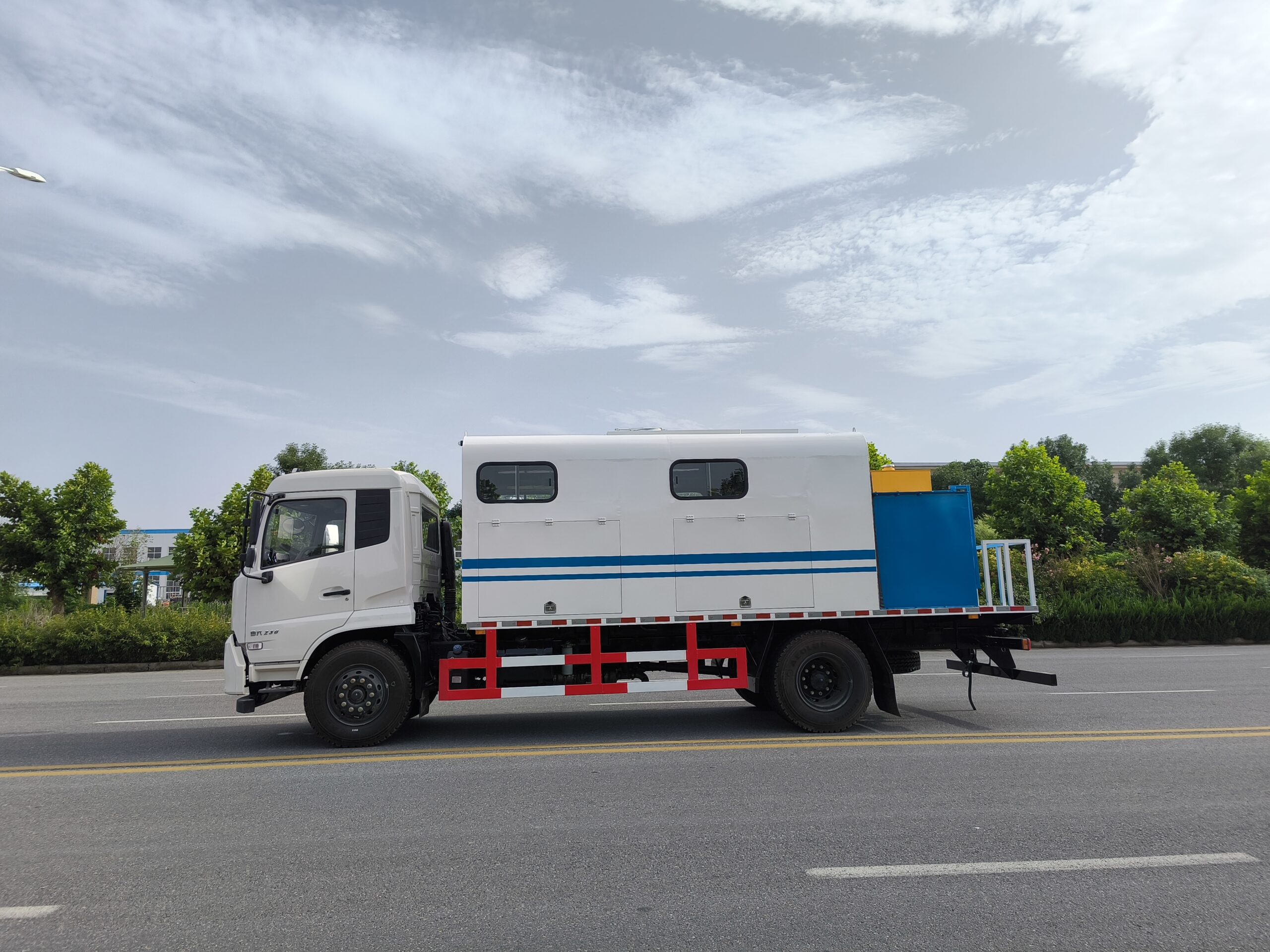
A useful Oilfield Boiler Truck plan starts with the work the unit must perform: mobile steam generation for well stimulation, pipeline cleaning, tank heating and cold-weather production support. Record normal, minimum, maximum and transient cases instead of relying on one headline capacity. The review should identify required steam output, working pressure and steam quality, available feedwater quality, fuel availability and road and axle-load limits together with the source and confidence level for each value.
Trace those inputs through the coil-type steam generator, automatic multi-fuel burner, feedwater and chemical-dosing package and truck-mounted PLC control system. This system view helps the project team see where a site condition, fluid property or operating limit affects more than one component. It also creates a defensible basis for supplier clarification, field setup and later change control.
Map hazards to prevention, detection and response
Identify pressure, temperature, rotating equipment, stored energy, fuel, ignition, electrical, chemical, toxic-gas, spill and vehicle-movement hazards for the specific job. For each hazard, distinguish the normal control, the alarm that warns the operator, the automatic trip or relief function, and the manual emergency action. Do not treat a general emergency-stop button as a substitute for a documented protection philosophy.
| Review point | Project question | Required record |
|---|---|---|
| coil-type steam generator | What credible fault can create an unsafe condition? | Hazard review |
| automatic multi-fuel burner | What detects the fault and at what setting? | Alarm and trip schedule |
| feedwater and chemical-dosing package | Where does released fluid or energy go? | Relief and containment drawing |
| truck-mounted PLC control system | What state follows loss of signal or power? | Cause-and-effect record |
Define the hazardous-area basis at the connection point
Obtain the owner's area classification, gas group, temperature class, ambient range and installation rules for the equipment location. Check electrical enclosures, motors, instruments, cable entries, bonding, grounding and any hot surfaces or combustion sources against that basis. Mobile equipment may operate near several zones during one job, so placement and hose length are part of the safety decision.
For cyclic steam stimulation, pipeline and tubing cleaning, storage-tank heating and winterization and well restart, document whether the process can release flammable or toxic material during connection, startup, normal operation, sampling, draining or disconnection. Specify gas testing, ventilation, ignition control and exclusion-zone responsibilities accordingly.
Verify safety functions before relying on them
Inspection should confirm component identity, set points, calibration, wiring, valve position and relief routing. Functional tests should simulate relevant low, high and signal-failure conditions and record the actual response. Any bypass must be visible, controlled and removed before operation. The final cause-and-effect record belongs with operator training and the field procedure.
Keep records that support the next decision
Keep the approved duty sheet, site survey, interface drawing, procedures, inspection results, test records, deviations and signed handover information in one controlled equipment file. Record the installed component models and document revisions so operators and maintenance personnel can confirm that their instructions match the field configuration.
After the job, compare planned and actual values for required steam output, working pressure and steam quality, available feedwater quality, fuel availability, road and axle-load limits. Record abnormal events, adjustments, consumable use and any condition that affected setup or performance. Use the findings to improve the next job plan without silently expanding the approved operating envelope.
Apply project and jurisdictional requirements
Use this planning guide with the owner's procedures, local law and applicable project standards. Review relevant requirements through ASME Boiler and Pressure Vessel Code resources. The project-specific engineering and safety basis governs the final configuration and work method.