Working principle in one operating sequence
The exact sequence depends on the configuration, but every oilfield boiler truck should be operated from an approved job program. The objective is mobile steam generation for well stimulation, pipeline cleaning, tank heating and cold-weather production support. Before startup, the crew verifies placement, connections, utilities, fluid path, protective devices and communication with the wellsite supervisor.
- Plan and isolate.Confirm the job envelope, permits, line-up and emergency roles.
- Connect and inspect.Inspect coil-type steam generator, automatic multi-fuel burner, hoses, manifolds and instruments.
- Start at minimum load.Establish lubrication, circulation or pilot conditions before increasing duty.
- Ramp and stabilize.Increase rate, pressure, temperature or load gradually while checking limits.
- Shut down and record.Depressurize, cool, drain or purge safely and capture operating data.
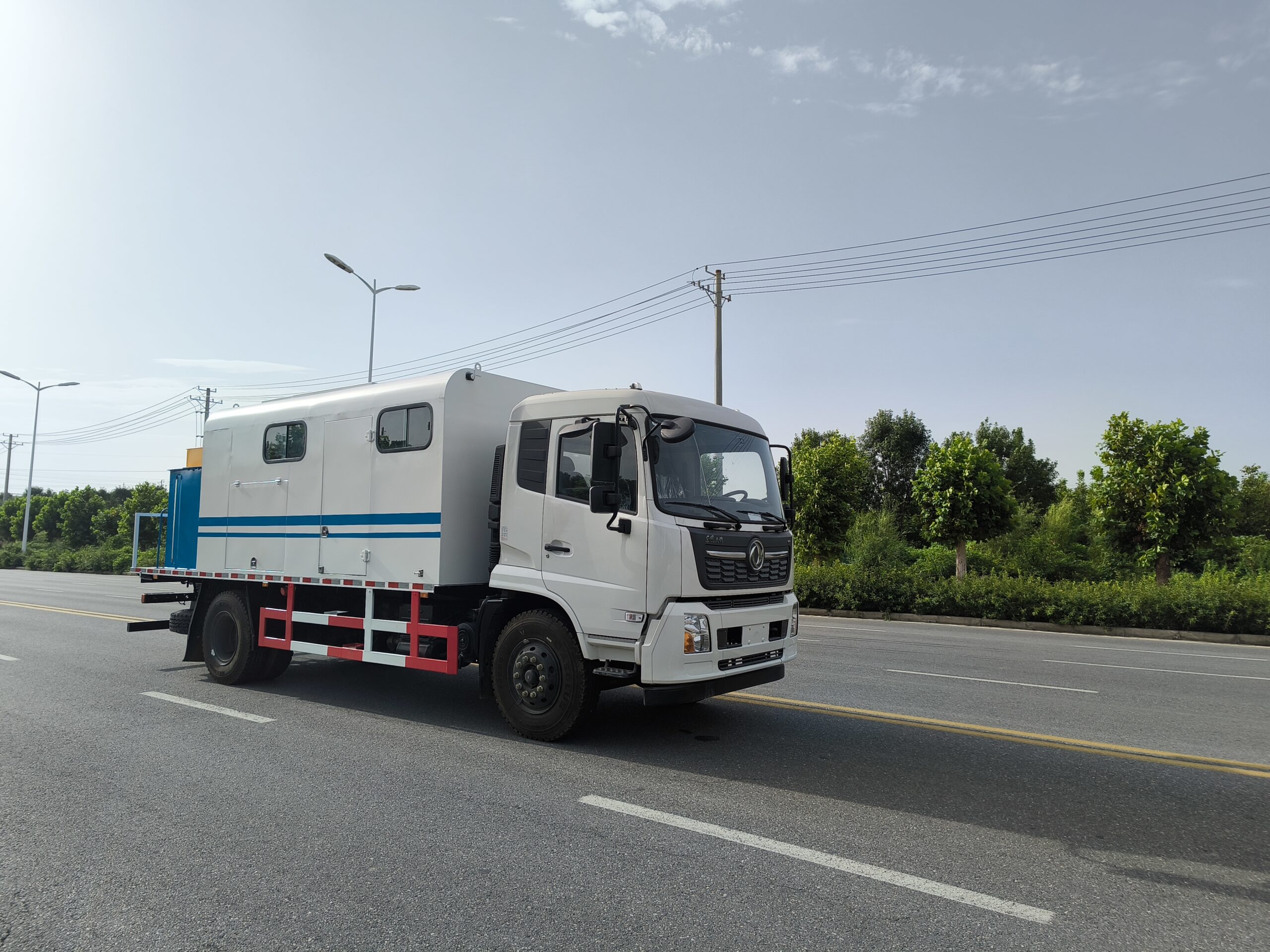
Common applications and configuration priorities
cyclic steam stimulation
Confirm the required duty, interfaces, operating duration and acceptance criteria for this application.
pipeline and tubing cleaning
Confirm the required duty, interfaces, operating duration and acceptance criteria for this application.
storage-tank heating
Confirm the required duty, interfaces, operating duration and acceptance criteria for this application.
winterization and well restart
Confirm the required duty, interfaces, operating duration and acceptance criteria for this application.
The same basic package can require different controls and auxiliaries in each application. For example, a unit selected for cyclic steam stimulation may prioritize a different operating range than one used for winterization and well restart. Do not assume a maximum rating guarantees stable operation at the lower or transient points.
Site interfaces to settle before mobilization
| Interface | Questions | Required output |
|---|---|---|
| Mechanical | Connections, pressure class, hoses, supports and lifting | Approved interface drawing |
| Utilities | Fuel, electrical power, air, water and drainage | Quantity, quality and connection |
| Controls | Signals, ESD, communications and data export | Cause-and-effect agreement |
| Operations | Crew roles, exclusion zone and handover | Signed job procedure |
At remote sites, small interface omissions cause disproportionate delay. Prepare adapters, spare seals, calibrated gauges, earthing cables, lighting and weather protection before the truck or skid arrives.
What operators should monitor
Trend the variables that prove the job is within its approved envelope. These normally include required steam output, working pressure and steam quality, available feedwater quality, fuel availability, road and axle-load limits. Watch the rate of change as well as absolute values: a rising temperature, vibration, differential pressure or leakage trend can reveal a developing restriction or component problem before a shutdown occurs.
Record startup, stable operation, interruptions and shutdown conditions. Good job records improve the next equipment selection and help engineering teams distinguish a process limitation from a mechanical fault.
Oilfield Boiler Truck project-specific engineering focus
For this equipment class, the most useful engineering review connects the process objective directly to the mobile package. During cyclic steam stimulation, operators must watch required steam output and the condition of the coil-type steam generator. For pipeline and tubing cleaning, the operating window may be controlled instead by working pressure and steam quality and the response of the automatic multi-fuel burner. Procedures for storage-tank heating and winterization and well restart should identify different startup, stabilization and shutdown hold points.
Use the four intended duties as separate review cases: cyclic steam stimulation, pipeline and tubing cleaning, storage-tank heating and winterization and well restart. For each case, record the starting condition, target output, operating duration, expected variation and shutdown condition. This exposes whether a shared configuration is genuinely suitable or whether a different control range, material, auxiliary system or connection set is needed.
coil-type steam generator with automatic multi-fuel burner
Review their operating envelopes together. Capacity on one side is not useful if the connected subsystem cannot supply, transmit or control the same duty.
feedwater and chemical-dosing package with truck-mounted PLC control system
Define monitoring, protection, calibration and maintenance access as part of the package acceptance criteria rather than optional details.
The RFQ should therefore carry a project data sheet, interface drawing and deviation schedule. That combination gives the manufacturer enough information to explain the design and gives the buyer a consistent basis for technical evaluation, factory testing and later commissioning.
For broader industry context, consult ASME Boiler and Pressure Vessel Code resources. Project requirements and applicable codes must still be confirmed for the destination country and end user.
Frequently asked questions
Can one oilfield boiler truck cover every application?
A configurable platform may serve several duties, but each application must remain within its approved operating envelope and use suitable auxiliaries and controls.
What information should operators record?
Record the job sequence, key pressure-flow-temperature values, alarms, interruptions, consumables and shutdown condition.