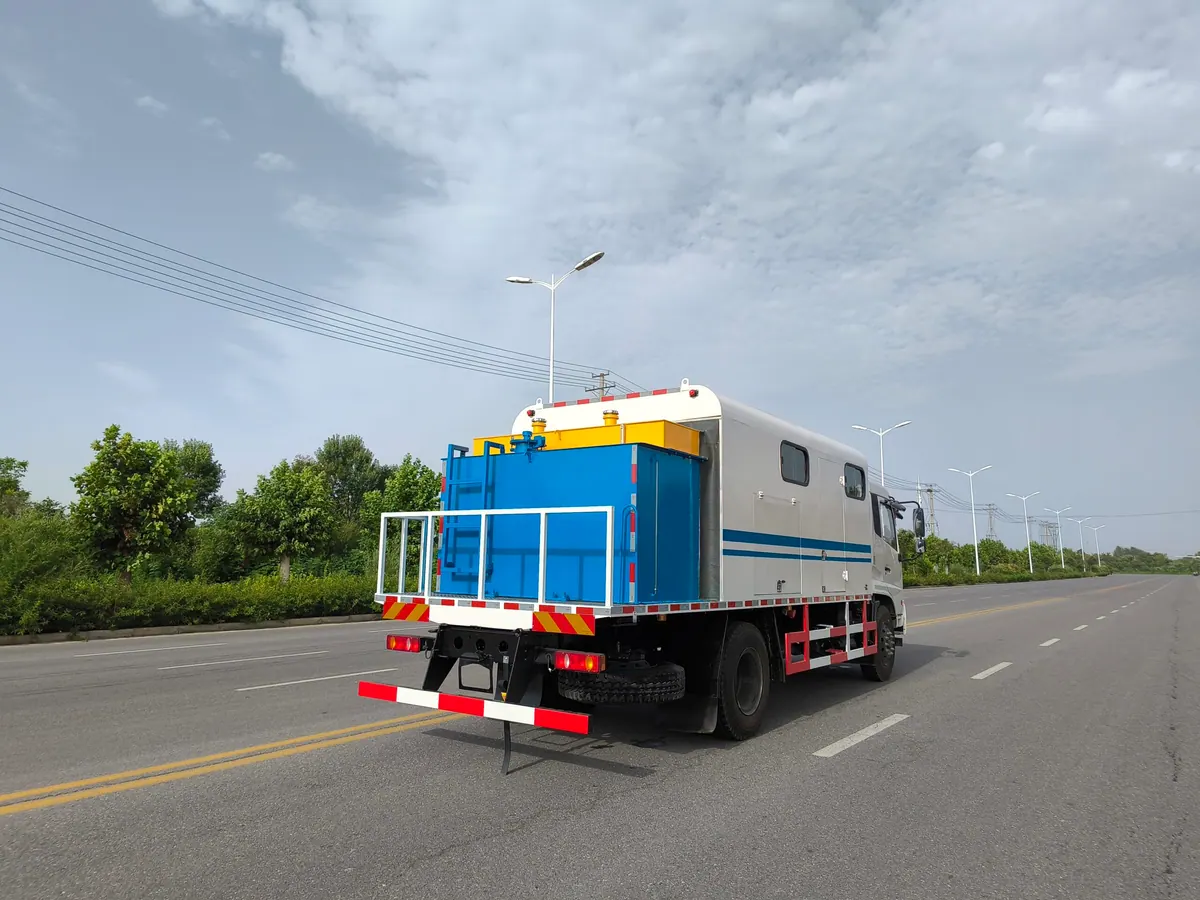
Identify the protection function and equipment
Ask the responsible provider to identify the actual relevant protective equipment and the assembly it serves. Keep component identity and scope linked to the supplied configuration. A generic safety-valve label cannot establish the protection basis of every boiler, connection and receiver. Procurement should request relevant provider information without selecting setpoints, assuming that one device protects all external equipment or reinterpreting a component certificate as complete system approval.
Put the discharge boundary on the arrangement
Request the relevant supplied and external interface information needed by the competent installation reviewer. State which equipment and documentation the truck supplier provides and what remains with the site contractor. A visible connection alone is incomplete evidence. The purpose is to expose responsibility for the actual arrangement, not to prescribe an outlet location, routing method or temporary attachment for an unreviewed pressure-protection function.
Retain provider limitations and installation requirements
Have the relevant manufacturers identify information and restrictions applicable to the proposed supplied assembly. Keep that basis with the project documents instead of importing assumptions from another vehicle or boiler design. Procurement should not approve modifications informally. Where additional site design is needed, identify the competent responsible party and required records rather than treat supplied hardware as permission to connect any convenient external line.
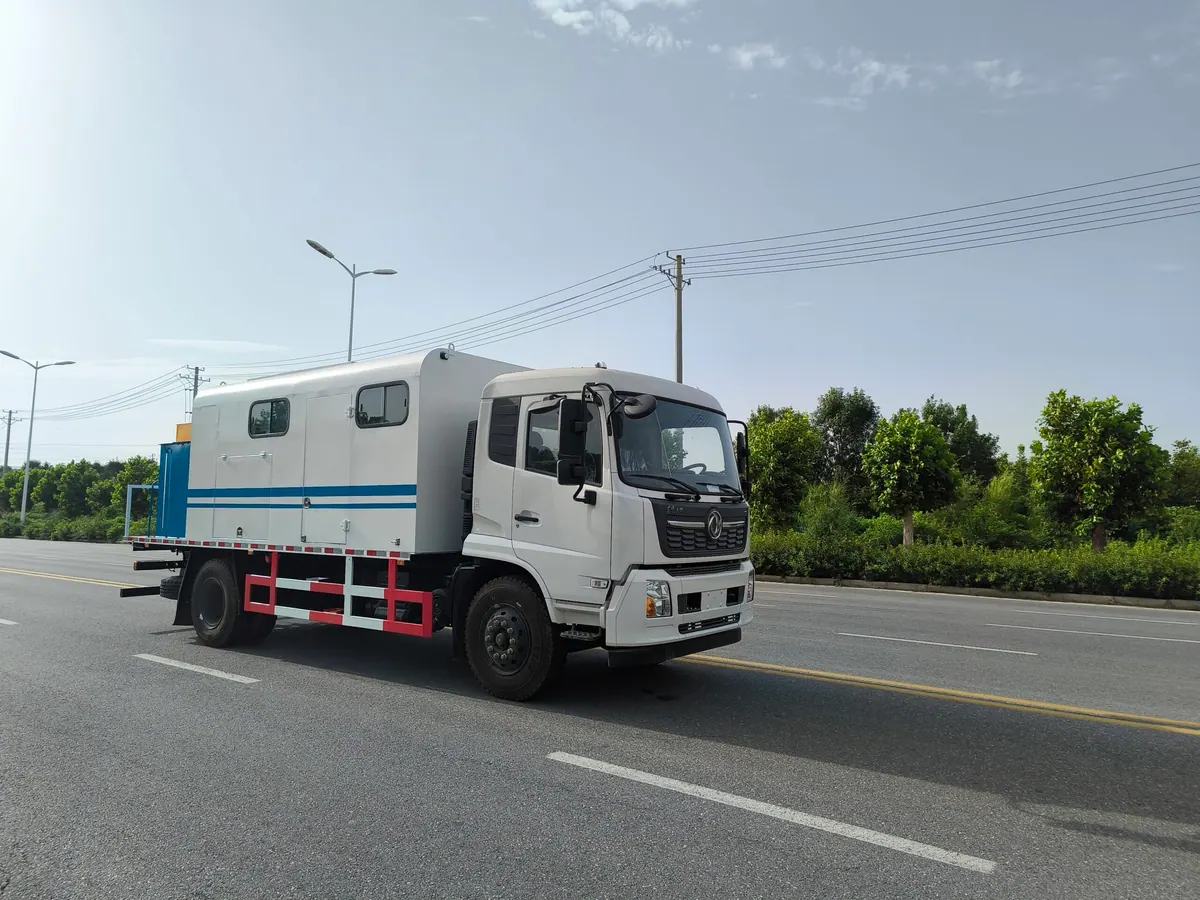
Reconcile external receiver responsibilities
Identify separately supplied receiving and distribution equipment and how their own protection and installation duties are assessed. The truck’s evidence does not automatically approve those external assemblies. Ask the project team to close interfaces at the actual accepted working cases. Keep unresolved responsibilities visible in the order so one provider’s relief scope is not silently used to fill another contractor’s missing protection or discharge-design contribution.
Agree appropriate evidence and handover
Request the relevant component and assembly documents and identify which checks support the supplied configuration. Distinguish equipment records from completion of the actual site arrangement. A factory test can support specific functions without establishing every destination discharge condition. Retain final identifiers, limitations and accepted interface records so later changes require the appropriate review instead of inheriting a generic safe-discharge statement unsupported by the new installation.
Compare the actual protection boundary without prescribing operation
Require offers to identify supplied equipment, relevant documents and external installation responsibilities. Keep the protection function and the receiving installation under their proper competent reviews. The accepted purchase should make open interfaces visible before the truck arrives, without promising universal site suitability, selecting relief settings or authorizing improvised discharge modifications. Actual design, inspection and operation require the relevant manufacturer information and approved project requirements for the identified configuration; a safety-device name in a brochure is not a complete installation acceptance record.
Put these items side by side in the bid review
| Purchase item | Question to resolve | Evidence to request |
|---|---|---|
| Function | Which supplied assembly does the device serve? | Identified provider protection scope |
| Boundary | What discharge interface remains external? | Accepted arrangement and requirements |
| Acceptance | Who substantiates the actual site completion? | Equipment and installation responsibility record |
Suggested wording for the quotation request
Define the relief-protection and discharge-interface scope for the proposed oilfield boiler truck. Identify actual supplied assemblies, relevant provider documents and external installation responsibilities. State the evidence supporting your configuration and the site information still required. Keep separate receiver obligations explicit without assuming that a listed relief device approves every connected system or authorizes an unreviewed discharge modification.
Select the oilfield boiler truck as an identified heating package for the accepted medium and receiving duty. Keep useful output, simultaneous operating cases, fuel, feedwater or fluid quality and installed equipment under one reviewed basis. External distribution, receiving equipment, condensate handling and site installation need assigned responsibilities. Neither a catalogue maximum nor a vehicle photograph establishes every included function. Ask for relevant component and assembly evidence, with limitations and deviations retained in the accepted offer. Actual heating and wellsite work require competent personnel, configuration-specific manufacturer information and approved project procedures.
For the wider equipment scope, consult the Oilfield Boiler Truck: Safety Systems Guide. Use the RFQ checklist to collect the supporting documents before requesting a configuration-specific quotation.
Buyer questions
Does a listed relief device describe the complete site discharge arrangement?
No. Identify supplied and external boundaries and relevant installation requirements.
Can truck protection records approve every external receiver?
No. External equipment needs its own responsible assessment and evidence.
Background and supplier contact
OSHA oil and gas extraction guidance offers related background, not certification of the equipment in a quotation. Applicability must be checked for the project and destination.
Explore the oilfield boiler truck, browse all technical resources, or visit Vance Petroleum for company information. Request an oilfield boiler truck proposal with the required medium, receiving duty, utility basis and destination requirements.