Confirm the selected heating medium and supply boundary
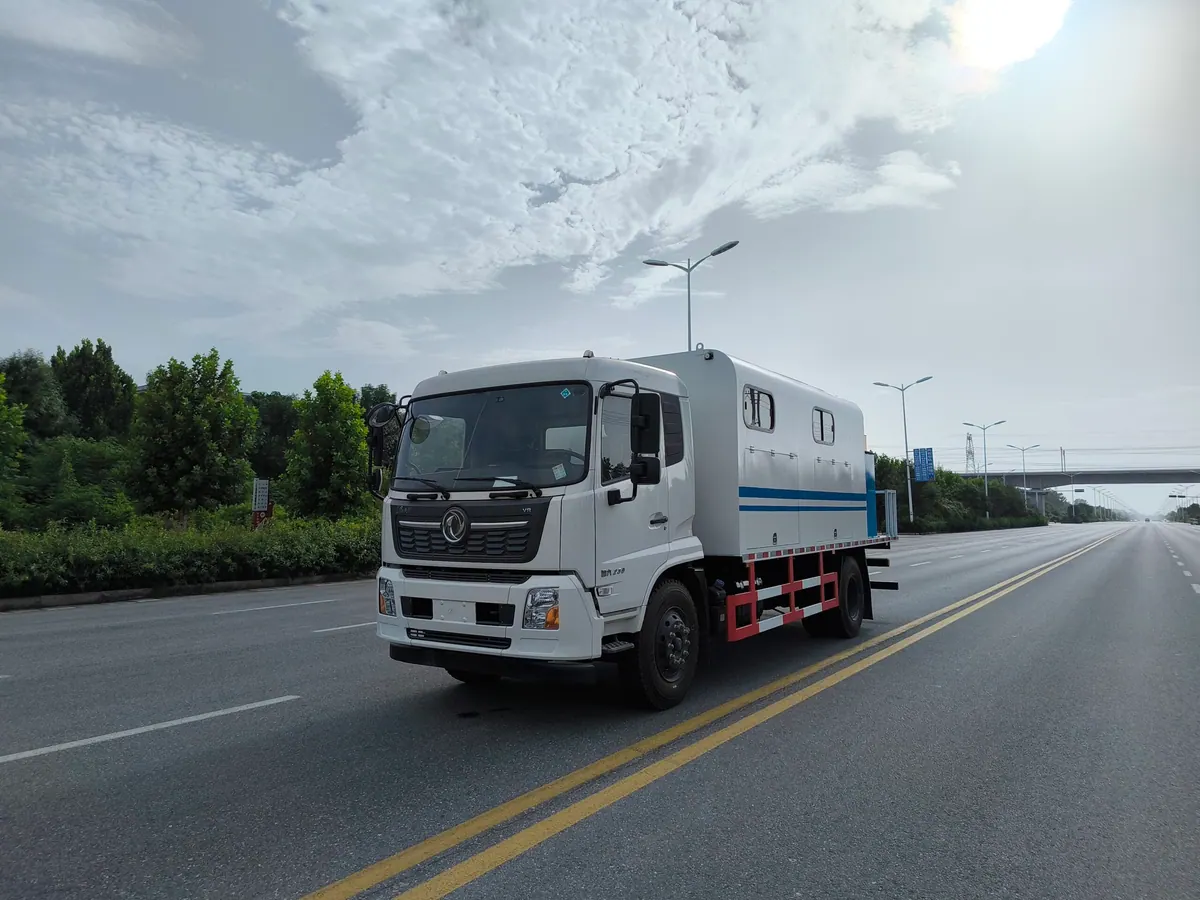
The oilfield boiler truck is a configured mobile heat source. Establish the required steam, hot-water or separately approved thermal-fluid arrangement and the actual useful duty before choosing equipment. The media are not assumed interchangeable or simultaneously available. A steam-focused review applies only to an identified steam configuration; a general boiler label does not establish a complete hot-oil circulation or wax-removal package.
Confirm the actual boiler, burner, fluid system and control functions in the offer. Water treatment, dual-fuel capability, winter equipment and destination documentation are not assumed standard. Assign distribution, receiver, return-handling and site installation responsibilities explicitly, with relevant evidence and competent project review for the complete arrangement.
Start with the operating duty, not a model number
A useful specification begins with the job the equipment must complete. For an oilfield boiler truck, that duty is supplying the selected mobile heating duty with an accepted medium, receiving arrangement and operating basis. State the normal operating point, the maximum credible point and the duration at each condition. A single maximum figure is not enough: the supplier also needs the expected operating range to select pumps, drivers, heat exchangers, vessels, controls and protective devices that work efficiently away from the peak.
Record the fluid, gas or process-medium properties at minimum, normal and maximum conditions. Include temperature, density, viscosity, solids, corrosive species and any hazardous-area classification. These details influence metallurgy, seals, instruments and the cleaning method, and they frequently explain why two apparently similar quotations have different prices.
Five parameters to define before requesting a quote
| Item | Why it matters | Information to provide |
|---|---|---|
| Medium and receiver | Identify the accepted heating contribution | Reviewed application and medium |
| Useful duty | State inlet, outlet, rate and duration | Acceptance boundary and demand cases |
| Water or fluid | Assess actual supply and requirements | Analysis and provider restrictions |
| Fuel and power | Identify included equipment and external resources | Accepted utility schedule |
| Installation | Reconcile truck, distribution and destination duties | Equipment and responsibility records |
Ask the supplier to show the duty point on a curve, heat balance or capacity calculation where applicable. Ratings should identify whether they are continuous, intermittent or short-duration. The proposal should also state derating for altitude, high ambient temperature, cold starts and the intended fuel or power source.
Match the main components to the duty
duty-selected boiler or heating assembly
Confirm material, rating, control method, inspection access and the evidence used to verify its capacity.
burner selected for the specified fuel
Confirm material, rating, control method, inspection access and the evidence used to verify its capacity.
specified feedwater and conditioning interfaces
Confirm material, rating, control method, inspection access and the evidence used to verify its capacity.
identified onboard control functions
Confirm material, rating, control method, inspection access and the evidence used to verify its capacity.
Auxiliary systems deserve the same attention as the headline component. Cooling, lubrication, filtration, drains, relief paths, earthing, fire protection and operator access often determine field reliability. Define connection sizes and interface responsibilities in the purchase specification so that hoses, power, fuel, water and data connections are ready when the unit reaches site.
Engineering data checklist for an accurate proposal
- Job objective and expected operating sequence
- Minimum, normal and maximum duty points with units
- Process-medium composition and temperature range
- Site altitude, climate, hazardous-area classification and road limits
- Preferred chassis, mounting method, power source and fuel
- Applicable codes, inspection, certification and documentation
- Required spare parts, training, commissioning and acceptance tests
A technically comparable RFQ asks every bidder to respond to the same data sheet and deviation list. Mark unknown values honestly rather than inventing them; a qualified manufacturer can then identify which field data must be confirmed during engineering.
Identify medium and useful duty together
Define the selected medium, incoming and delivered conditions, flow, duration and acceptance boundary. Ask the provider to identify the actual boiler design and supported simultaneous cases rather than combine independent maximum ratings. Fuel, water, vehicle and external receiver requirements need their own accepted basis.
Retain the accepted duty schedule, final equipment identifiers, interface drawing and relevant supplier deviations with the order. Use the same basis for factory evidence, site acceptance and later changes. Keep truck capability distinct from external heat transfer and the process or treatment outcome. Actual operation and maintenance require competent personnel and configuration-specific approved documents.
For broader industry context, consult ASME Boiler and Pressure Vessel Code resources. Project requirements and applicable codes must still be confirmed for the destination country and end user.
Frequently asked questions
Which oilfield boiler truck specification should be defined first?
Start with the operating duty and minimum, normal and maximum conditions. The equipment rating follows the required pressure, flow, temperature, capacity and operating duration.
Can a standard model be selected before field data are complete?
A preliminary model can be discussed, but final selection should wait until process conditions, site interfaces, codes and climate are confirmed.