Start with the job decision
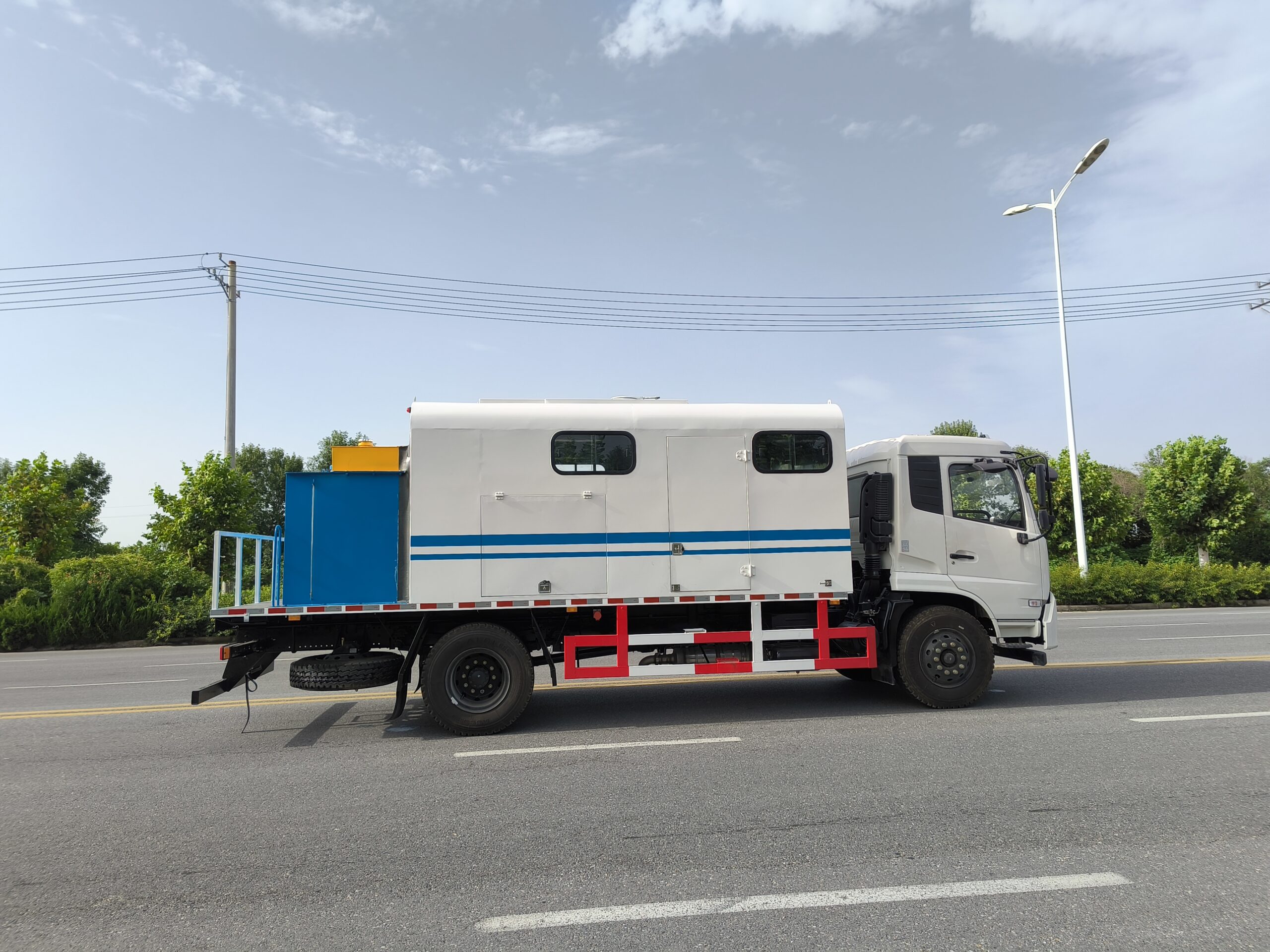
Oilfield Boiler Truck projects succeed when the equipment scope is tied to a defined operating duty: mobile steam generation for well stimulation, pipeline cleaning, tank heating and cold-weather production support. A useful project document separates normal duty, maximum credible duty, standby or transient conditions and the physical interfaces available at site. This keeps procurement language connected to field reality.
Record required steam output, working pressure and steam quality, available feedwater quality and fuel availability as ranges rather than isolated peak figures. The supplier can then explain how the coil-type steam generator, automatic multi-fuel burner, feedwater and chemical-dosing package and truck-mounted PLC control system work together across the intended envelope.
Confirm site readiness before the equipment arrives
Check access, lifting and parking areas, ground bearing capacity, drainage, lighting, fire protection and emergency routes. Verify that fuel, water, electrical power, instrument air, return handling and discharge connections match the approved interface schedule. For a truck-mounted package, include turning radius, axle loads and safe outrigger or stabilization requirements where applicable.
| Review item | What to confirm | Evidence or input |
|---|---|---|
| Mechanical installation | Supports, alignment, connections and access | Approved layout and installation checklist |
| Utilities | Capacity, quality, pressure and connection point | Interface test records |
| Electrical and controls | Voltage, earthing, I/O and communications | Loop checks and cable schedule |
| Safety readiness | Relief paths, ESD, fire protection and permits | Signed pre-start safety review |
Complete pre-start checks systematically
Inspect transport restraints, cleanliness, lubricant and fluid levels, fasteners, guards, valve positions, filters, instruments and protective devices. Confirm calibration status and rotate equipment only where the procedure allows it. Close or formally risk-assess every item that could affect safe startup.
Establish a baseline during performance testing
Run from minimum stable duty toward the agreed operating point while recording pressures, temperatures, rates, vibration, utility consumption and alarm status. Compare results with the approved acceptance criteria. Retain the baseline for later condition monitoring and troubleshooting, then train operators using the actual installed configuration.
Keep a usable project record
Maintain one controlled file containing the approved duty sheet, supplier clarifications, drawings, component data, inspection records, test results, deviations, photographs and signed acceptance documents. Record document revisions and the person responsible for each open item. This prevents the operating team from receiving a package whose final configuration differs from the information used during procurement.
The handover set should also identify installed component models, consumables, calibration intervals, recommended spares, preservation requirements and supplier support contacts. Capture baseline operating readings when the unit is accepted. Those records give maintenance personnel a reference for condition changes and allow later modifications to be reviewed against the original design basis.
Before closing the project, confirm that operators can find the startup, normal-operation, controlled-shutdown and emergency procedures relevant to their unit. Training attendance alone is not sufficient; the responsible team should demonstrate the required checks and know which conditions require escalation rather than continued operation.
Codes, standards and project requirements
Confirm the final specification and acceptance plan against the owner’s project standards, local jurisdiction and ASME Boiler and Pressure Vessel Code resources. The applicable project documents govern whenever they are more specific.