Establish the receiving duty first
Describe the accepted heating medium, required condition, rate and duration at the receiving boundary through the responsible project review. Identify whether the need is temporary, recurring or part of a broader permanent utility plan. A truck outlet rating and an existing plant nameplate may describe different boundaries. Give bidders the actual useful duty so the equipment comparison starts with the work the purchaser needs rather than the largest number in each brochure.
List the infrastructure each option still requires
Identify fuel, feedwater or other fluid, electrical resources, distribution and receiving equipment for both arrangements. A mobile package does not automatically eliminate external installation or support services. Ask who supplies and verifies each interface. The comparison should expose the actual project contribution, with truck-mounted equipment distinguished from separately contracted site work instead of assuming that one vehicle replaces every function of a fixed heating installation.
Describe the campaign and availability assumptions
Provide the planned working periods, relevant relocations and required availability with uncertainties stated. A temporary assignment repeated across several sites can have different logistics from one sustained heating duty. Ask the suppliers to identify the supported equipment and service assumptions rather than promise universal rapid deployment. Keep travel, preparation and accepted readiness conditions separate from time actually delivering useful heat at the receiving location.
Compare ownership and project costs transparently
Request identified equipment and service scopes with the relevant commercial assumptions. Keep external distribution, utility preparation, maintenance and site acceptance contributions visible where they belong to the purchaser. A lower initial equipment price does not establish the lower complete project cost. Procurement should use stated campaign assumptions without inventing fuel savings, a fixed payback time or a universal economic advantage for either a truck or a permanent supply.
Agree evidence appropriate to the selected arrangement
Ask what documents and demonstrations support the proposed useful duty and what depends on the actual installation. A truck factory test cannot prove the performance of an absent distribution route. Conversely, an existing fixed plant rating may not establish spare delivered capacity for another receiver. Retain the accepted boundary, external resources and remaining site checks so the purchasing decision can be reviewed against one consistent heating assignment.
Compare complete heat supply rather than mobility labels
Require each option to answer the same useful-duty schedule and identify the infrastructure and professional review it still needs. A truck may suit an identified temporary project without becoming the correct answer for every future field. Keep heating capability distinct from well-treatment results and destination approval. The accepted purchase should explain the selected contribution, assumptions and verification scope without claiming zero installation work, unrestricted site independence or guaranteed lower lifetime cost solely because the boiler is mounted on a road vehicle.
Put these items side by side in the bid review
| Purchase item | Question to resolve | Evidence to request |
|---|---|---|
| Duty | Are both offers serving the same receiver? | Accepted useful-heat schedule |
| Infrastructure | What remains external to each option? | Complete responsibility map |
| Campaign | Which availability and cost assumptions apply? | Stated project and service basis |
Suggested wording for the quotation request
Compare the proposed oilfield boiler truck and any fixed-supply alternative at the attached receiving duty and campaign basis. Identify included heating equipment, external utilities, installation, distribution and service responsibilities. State useful-output evidence and remaining site checks separately. Present commercial assumptions transparently without treating vehicle mobility or plant nameplate capacity as proof of complete project suitability or automatic cost savings.
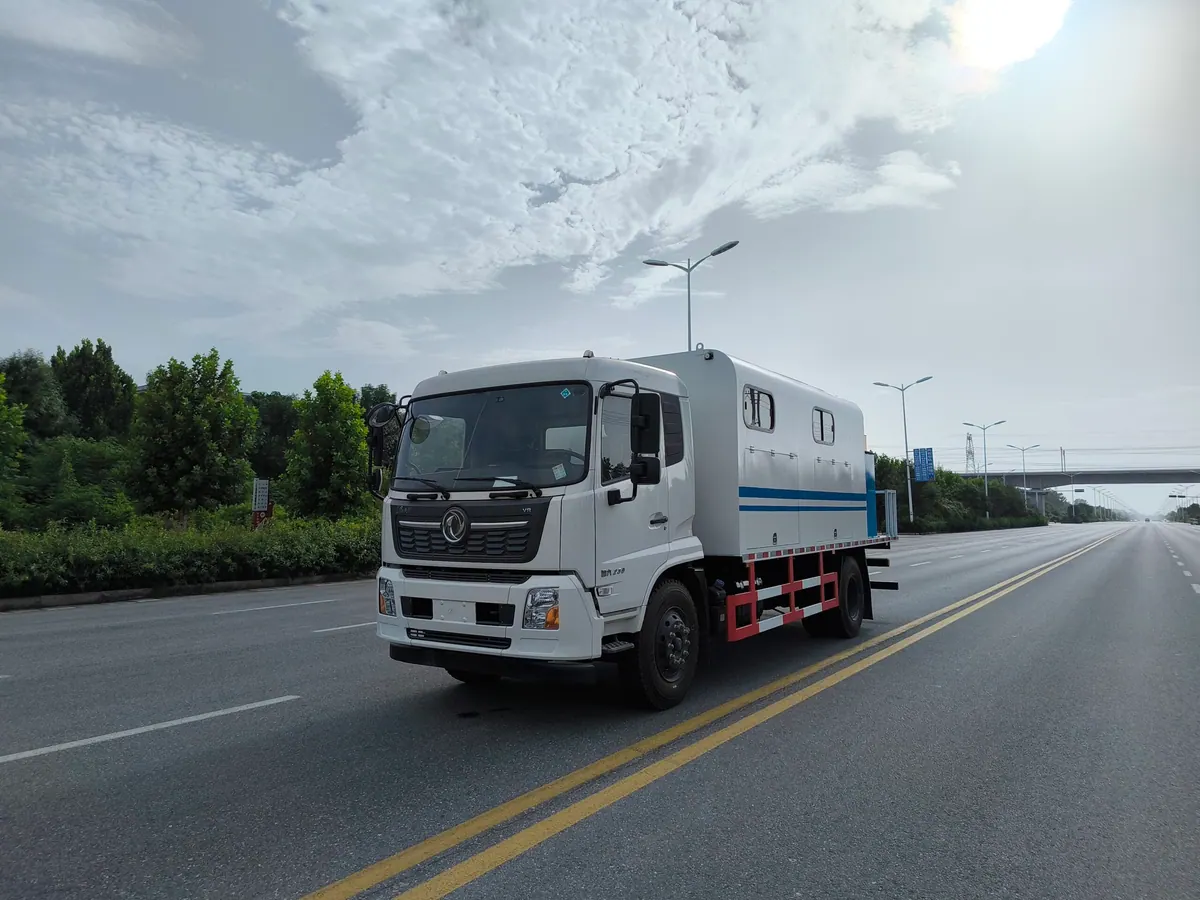
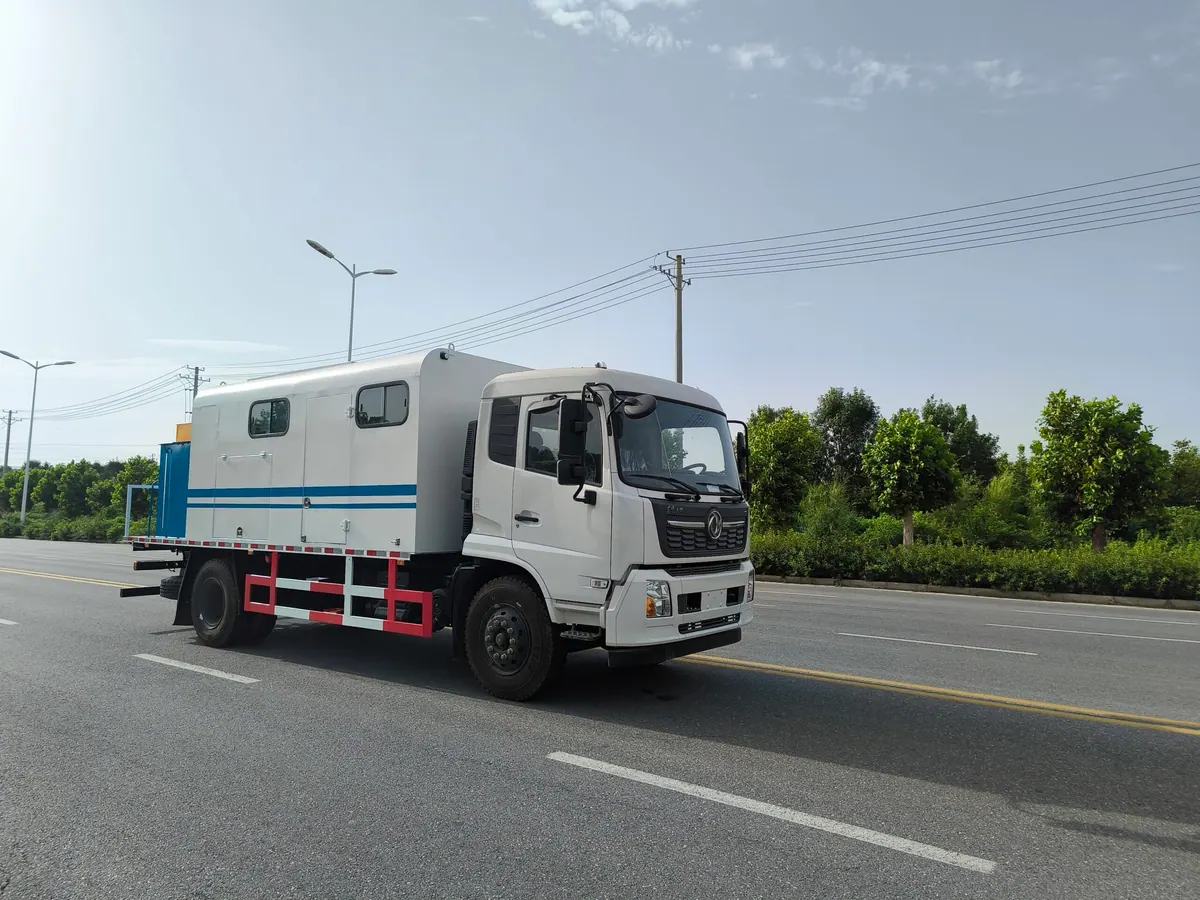
Select the oilfield boiler truck as an identified heating package for the accepted medium and receiving duty. Keep useful output, simultaneous operating cases, fuel, feedwater or fluid quality and installed equipment under one reviewed basis. External distribution, receiving equipment, condensate handling and site installation need assigned responsibilities. Neither a catalogue maximum nor a vehicle photograph establishes every included function. Ask for relevant component and assembly evidence, with limitations and deviations retained in the accepted offer. Actual heating and wellsite work require competent personnel, configuration-specific manufacturer information and approved project procedures.
For the wider equipment scope, consult the Oilfield Boiler Truck: Configuration Guide. Use the RFQ checklist to collect the supporting documents before requesting a configuration-specific quotation.
Buyer questions
Does a boiler truck remove every site-installation requirement?
No. Identify the actual utilities, distribution, receiver and acceptance responsibilities.
Can truck and fixed-plant nameplates be compared directly?
Only when their duty definitions and acceptance boundaries are equivalent.
Background and supplier contact
US Department of Energy steam-system resources offers related background, not certification of the equipment in a quotation. Applicability must be checked for the project and destination.
Explore the oilfield boiler truck, browse all technical resources, or visit Vance Petroleum for company information. Request an oilfield boiler truck proposal with the required medium, receiving duty, utility basis and destination requirements.