Define the demand cases without adding unrelated peaks
Have the responsible project team identify the required medium, useful duty and relevant simultaneous receiver loads. Keep normal, peak and other accepted cases distinguishable. A total built from every possible catalogue maximum can distort either selection. Request configuration-specific responses so a single large truck and a multiple-unit arrangement are assessed against the same actual assignment rather than assumed equivalent because their nominal outputs add to a similar total.
Ask how each arrangement supports changing demand
Request the supported operating range and the conditions behind the proposed load sharing or alternating service. A second boiler does not guarantee that every low-load or transitional case is resolved. Keep any required controls and external distribution identified in the offer. The supplier should explain actual included capability without treating independent component adjustment ranges as evidence that the complete combined heating arrangement supports every possible demand pattern.
Identify shared dependencies
List fuel, water, power, common distribution and other resources used by the proposed units. Two heat sources connected to one essential external resource are not automatically independent. Ask which functions can remain available under the purchaser’s stated cases and what remains conditional. Procurement should expose those dependencies without inventing an availability percentage or assuming that additional trucks provide uninterrupted heating regardless of site utility or receiver conditions.
Compare logistics and ownership scope
Request the installed equipment, vehicle, utility and maintenance responsibilities for each option. A two-unit purchase can change site space, mobilization, crew and service needs. Keep those consequences in the commercial comparison rather than rank offers solely by price per nominal output. Where the purchaser expects separate campaigns, identify the additional connection and acceptance work needed instead of assuming every unit can be moved independently without affecting the remaining arrangement.
Agree verification for combined and individual duties
Ask what evidence supports each truck and what supports the proposed complete arrangement. A successful factory demonstration of one unit does not establish shared-header behavior or automatic changeover of two. Identify simulated interfaces and remaining site checks explicitly. Retain the accepted operating cases, external dependencies and responsibility schedule so later changes in receiver demand or package configuration can be reviewed against the actual purchase basis.
Use an availability requirement with identified conditions
Have bidders state what the offered arrangement can supply for the purchaser’s reviewed cases and which assumptions must remain true. Keep standby capacity, supported concurrent output and independent operation as different questions. A multiple-unit option may offer useful flexibility, but it requires an accepted integration and resource basis. The purchase should compare actual supplied functions and complete project consequences without promising universal redundancy, automatic load sharing or a fixed lifetime saving from arithmetic addition of boiler nameplates.
Put these items side by side in the bid review
| Purchase item | Question to resolve | Evidence to request |
|---|---|---|
| Demand | Which useful-duty cases must be met? | Controlled receiver schedule |
| Dependencies | Which resources or interfaces are shared? | Complete arrangement drawing |
| Evidence | What supports individual and combined service? | Qualified verification plan |
Suggested wording for the quotation request
Compare one oilfield boiler truck with the proposed smaller-unit alternative against the attached heating cases. Identify supported operating ranges, shared resources, load-sharing functions and external distribution responsibilities. State the equipment, logistics and service scope of each option, with individual and combined verification distinguished. Qualify availability claims against actual dependencies rather than assume that two units automatically provide independent or uninterrupted supply.
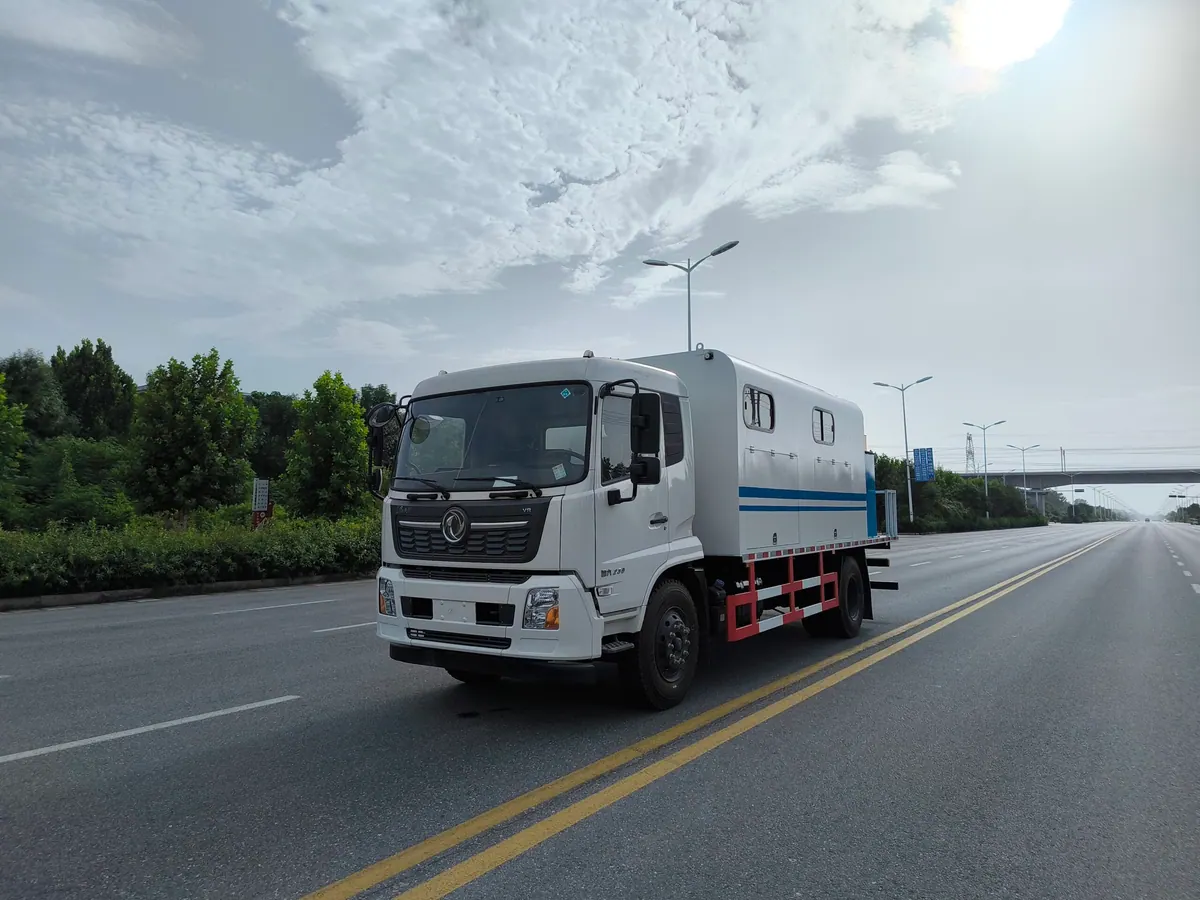
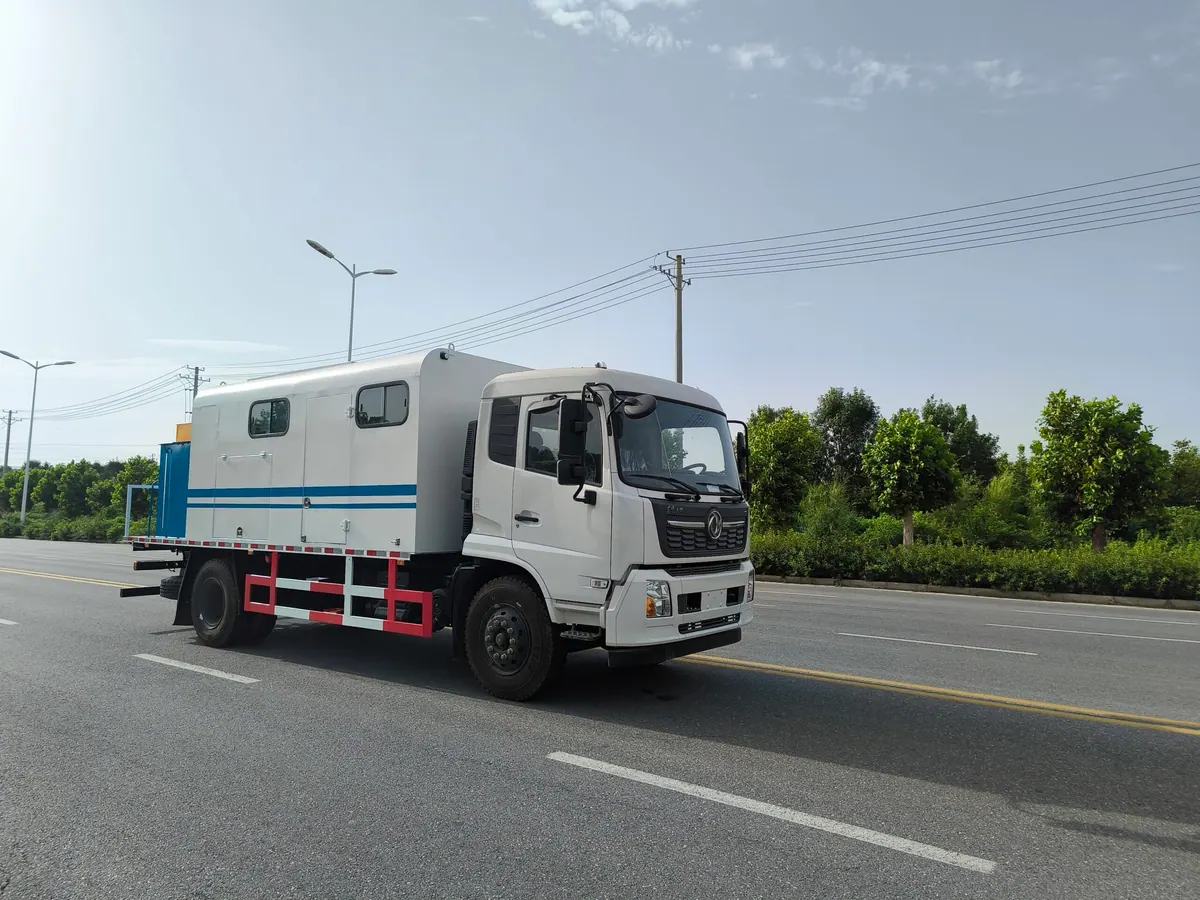
Select the oilfield boiler truck as an identified heating package for the accepted medium and receiving duty. Keep useful output, simultaneous operating cases, fuel, feedwater or fluid quality and installed equipment under one reviewed basis. External distribution, receiving equipment, condensate handling and site installation need assigned responsibilities. Neither a catalogue maximum nor a vehicle photograph establishes every included function. Ask for relevant component and assembly evidence, with limitations and deviations retained in the accepted offer. Actual heating and wellsite work require competent personnel, configuration-specific manufacturer information and approved project procedures.
For the wider equipment scope, consult the Oilfield Boiler Truck: Price and Cost Guide. Use the RFQ checklist to collect the supporting documents before requesting a configuration-specific quotation.
Buyer questions
Do two boilers automatically establish redundancy?
No. Shared resources and the supported integration arrangement must be reviewed.
Does adding nameplate outputs prove combined delivered duty?
No. Confirm the actual simultaneous service and receiving boundaries.
Background and supplier contact
US Department of Energy steam-system resources offers related background, not certification of the equipment in a quotation. Applicability must be checked for the project and destination.
Explore the oilfield boiler truck, browse all technical resources, or visit Vance Petroleum for company information. Request an oilfield boiler truck proposal with the required medium, receiving duty, utility basis and destination requirements.