Identify the origin of every proposed return
List the receiving equipment and relevant processes producing condensate for the accepted arrangement. Keep source identities and potential variations with the enquiry. A return line from one receiver may not represent another. Ask the responsible water and equipment providers which information is needed, rather than assume that all liquid described as condensate has equivalent quality or can be mixed into the truck’s feed supply without further review.
Obtain an actual quality assessment
Provide representative information requested by the boiler and water specialists and retain uncertainties. A temperature reading or clear appearance alone does not establish suitability. Have the relevant provider identify the supported feedwater basis for the offered equipment. Procurement should request evidence and responsibility boundaries without inventing chemical limits or applying a generic treatment recipe copied from a different steam plant or operating environment.
Distinguish collection from acceptance for reuse
Ask which returned-liquid functions are included in the proposal and which remain external. A collection tank or connection does not establish that the truck can accept every returning stream. Identify any conditioning, monitoring or other reviewed functions needed for the accepted arrangement. Compare actual supplied capability rather than treat a condensate-return option as a complete quality-control and treatment service implied by the equipment label.
Define monitoring and decision responsibilities
Have the responsible providers explain the included measurement or indication functions and who assesses the relevant results. An available signal is not the same as a complete automated acceptance function. Keep actions and external handling responsibilities within the approved project scope. The quotation should identify what the equipment supports without prescribing a field diversion sequence, promising universal contamination detection or treating an alarm label as evidence of every required decision.
Retain source changes and evidence limitations
Agree how a new receiver, changed process or different return composition triggers the necessary review. Keep accepted source information and relevant records with the final configuration. A successful factory return demonstration may verify a connection without proving quality for another process stream. The purchase should retain the scope of that evidence rather than imply unlimited future condensate reuse or automatic suitability because the original water was once accepted.
Compare the usable return arrangement with honest quality boundaries
Require bidders to identify collection, condition assessment, supplied functions and external services separately. Keep the actual source and accepted feedwater requirements connected to the review. Returned heat and water can have value under a suitable arrangement, but the purchase should not promise a fixed saving or unrestricted reuse. It should establish evidence and responsibilities without claiming every contaminant is detected or corrected onboard. Actual water acceptance and operation remain with competent providers and the approved configuration-specific project basis.
Put these items side by side in the bid review
| Purchase item | Question to resolve | Evidence to request |
|---|---|---|
| Source | Which receiver produces the returned liquid? | Identified return and process context |
| Quality | What supports acceptance as feed? | Relevant analysis and provider limits |
| Scope | Who monitors and accepts the stream? | Function and responsibility schedule |
Suggested wording for the quotation request
Assess the proposed condensate-return arrangement for the oilfield boiler truck using the attached source and quality information. Separate collection, monitoring, conditioning and reuse acceptance functions, identifying supplied equipment and external services. State evidence limitations, source-change review and purchaser responsibilities without assuming that a return connection or a clear-looking stream establishes unrestricted feedwater suitability.
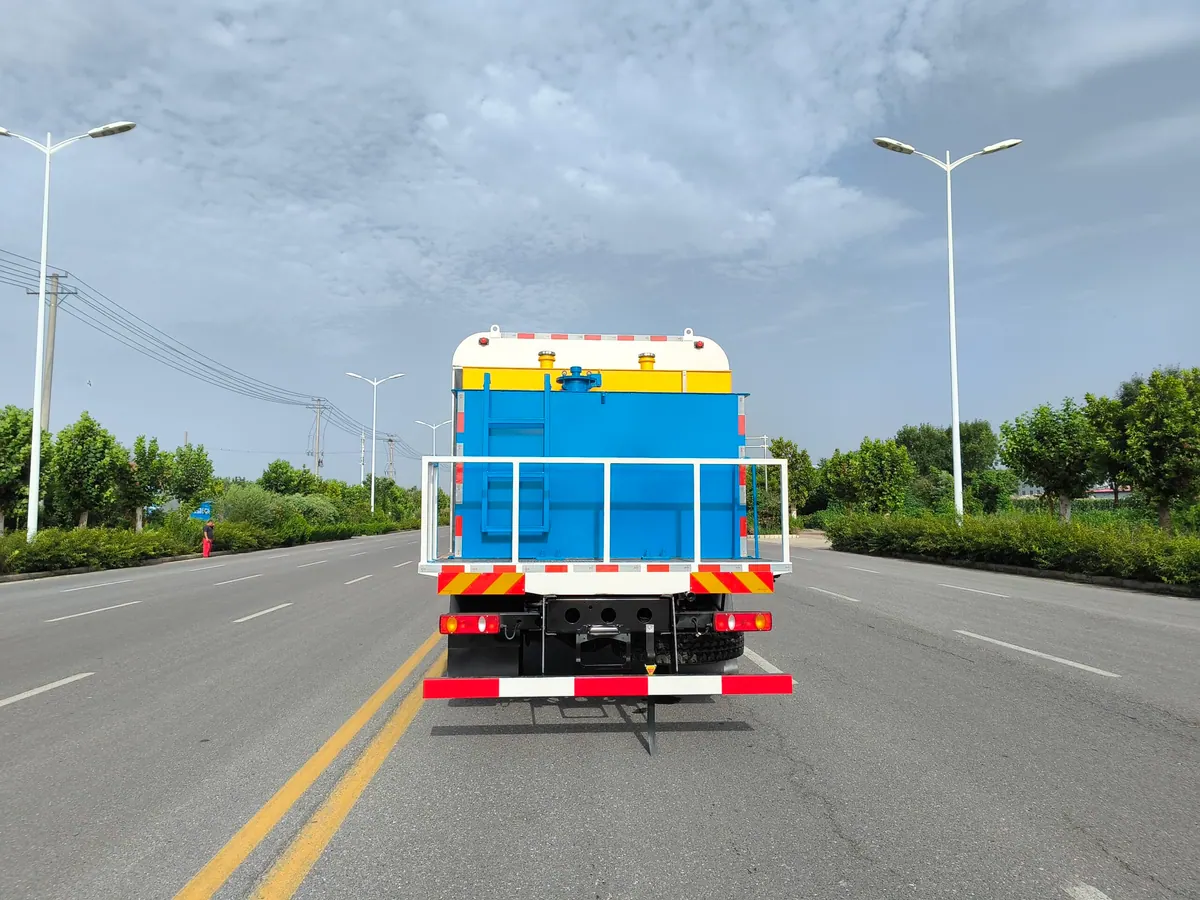
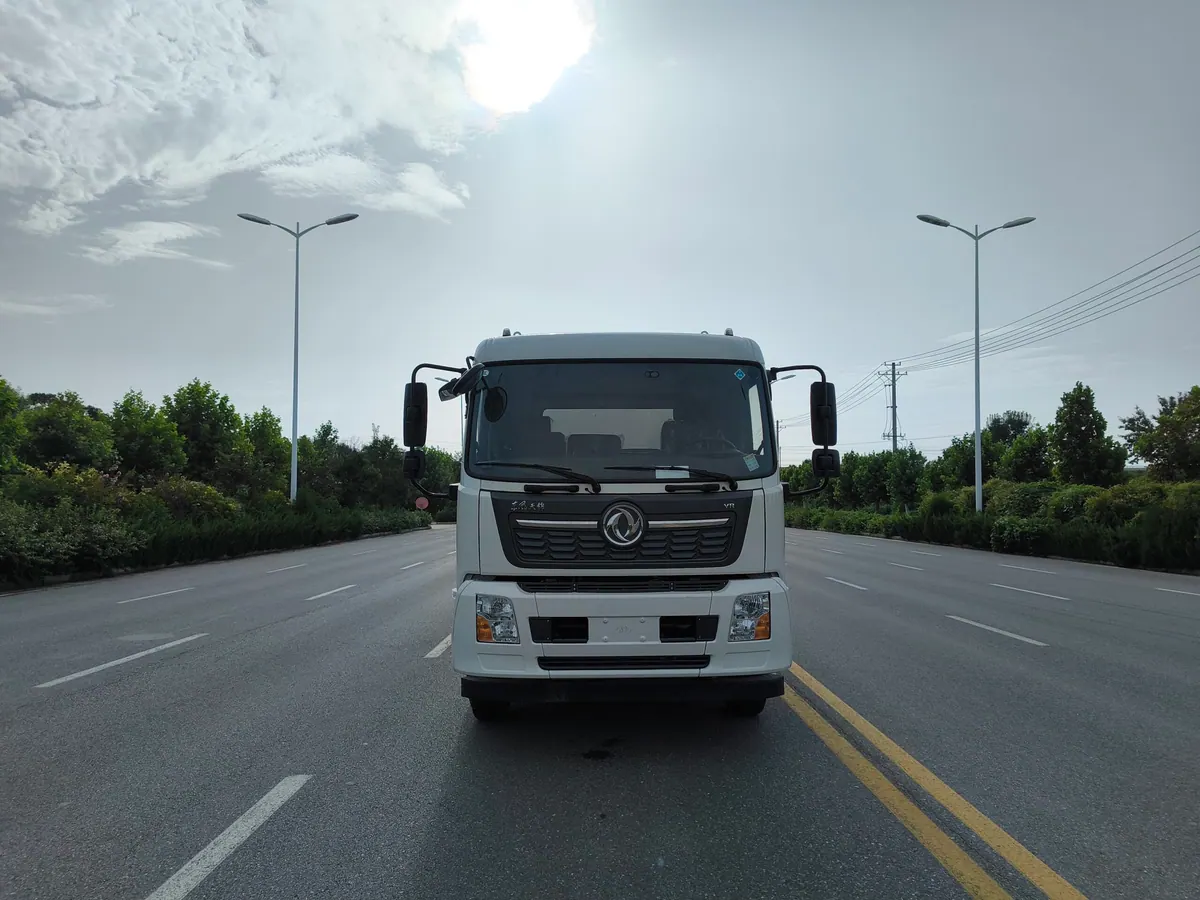
Select the oilfield boiler truck as an identified heating package for the accepted medium and receiving duty. Keep useful output, simultaneous operating cases, fuel, feedwater or fluid quality and installed equipment under one reviewed basis. External distribution, receiving equipment, condensate handling and site installation need assigned responsibilities. Neither a catalogue maximum nor a vehicle photograph establishes every included function. Ask for relevant component and assembly evidence, with limitations and deviations retained in the accepted offer. Actual heating and wellsite work require competent personnel, configuration-specific manufacturer information and approved project procedures.
For the wider equipment scope, consult the Oilfield Boiler Truck: Compatibility Guide. Use the RFQ checklist to collect the supporting documents before requesting a configuration-specific quotation.
Buyer questions
Does a condensate collection connection prove reuse suitability?
No. Review the actual source, quality and accepted feed arrangement.
Can one receiver’s return analysis approve every future source?
No. Changed source conditions require the relevant responsible review.
Background and supplier contact
US Department of Energy steam-system resources offers related background, not certification of the equipment in a quotation. Applicability must be checked for the project and destination.
Explore the oilfield boiler truck, browse all technical resources, or visit Vance Petroleum for company information. Request an oilfield boiler truck proposal with the required medium, receiving duty, utility basis and destination requirements.