Provide the incoming water basis
Give the responsible providers the available water analysis, source condition and relevant temperature information for the accepted steam configuration. Distinguish actual data from a provisional site estimate. Water quality and physical supply conditions answer different questions and both matter to the purchase. A general statement that water is available cannot establish that it reaches the proposed feed arrangement under conditions supporting the selected boiler duty.
Identify the supplied feed arrangement
Request the actual source-to-boiler path, including supplied storage, pump and any other relevant components. Keep external supply functions and ownership visible on the drawing. A familiar feed-pump model may be installed in different arrangements. The bidder should explain which configuration is offered rather than rely on a generic component brochure or imply that every possible source can feed the truck directly without additional equipment.
Ask for support at the actual inlet case
Have the provider assess the selected water conditions and source arrangement against the proposed pump requirements. A high discharge pressure alone does not resolve inlet limitations. Request the relevant configuration-specific selection basis and restrictions without inventing a generic suction allowance. Where external supply or conditioning is required, identify it explicitly so preliminary assumptions do not become an unsupported claim of complete onboard independence.
Review changing supply conditions
Describe the relevant source or temperature variations expected during the accepted assignment. Ask which cases are supported and which changes require further review. A demonstration using favorable factory water conditions may not represent every destination source. Procurement should identify capability and dependencies rather than prescribe a field supply adjustment or assume that a larger pump automatically resolves an uncertain inlet condition.
Connect selection evidence to acceptance
Request the relevant pump, boiler and interface information for the actual supplied assembly. Identify measurement boundaries and what the proposed verification establishes. Keep water analysis, source assumptions and external responsibilities with the final records. If the feed arrangement changes during manufacture, review its effect before accepting the earlier evidence. A component test can remain useful without proving the complete duty of a differently configured water-supply system.
Compare complete feed capability rather than discharge pressure alone
Require each bidder to respond to the same incoming-water and source cases, with actual supplied equipment and external dependencies identified. Keep chemical quality, pump supply conditions and supported boiler output as distinct but connected assessments. The accepted purchase should establish an understandable feed arrangement without promising unrestricted water-source compatibility, inventing inlet limits or treating a tank capacity label as proof of sustained supply. Site preparation and actual operation require competent review and the manufacturer-supported configuration-specific plan.
Put these items side by side in the bid review
| Purchase item | Question to resolve | Evidence to request |
|---|---|---|
| Source | What water condition reaches the truck? | Analysis and physical supply basis |
| Arrangement | Which feed equipment is supplied? | Identified path and component schedule |
| Evidence | What supports the actual inlet case? | Provider selection and verification response |
Suggested wording for the quotation request
Select the oilfield boiler truck feed arrangement for the attached water analysis, source and incoming-temperature cases. Identify supplied storage and pumping equipment, relevant inlet requirements and external supply responsibilities. State supported operating conditions and evidence for the actual configuration, qualifying factory-test differences and unconfirmed source information rather than relying only on pump discharge pressure or nominal tank capacity.
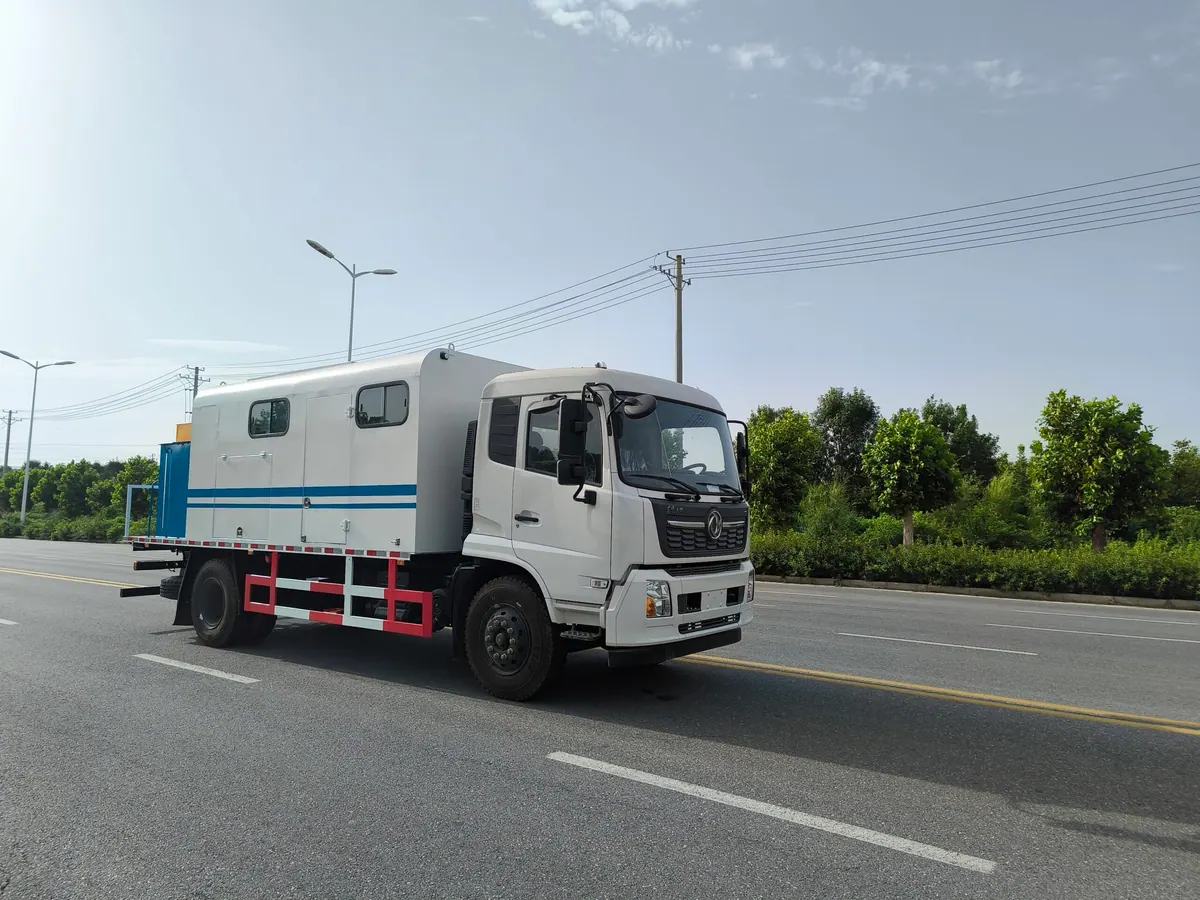
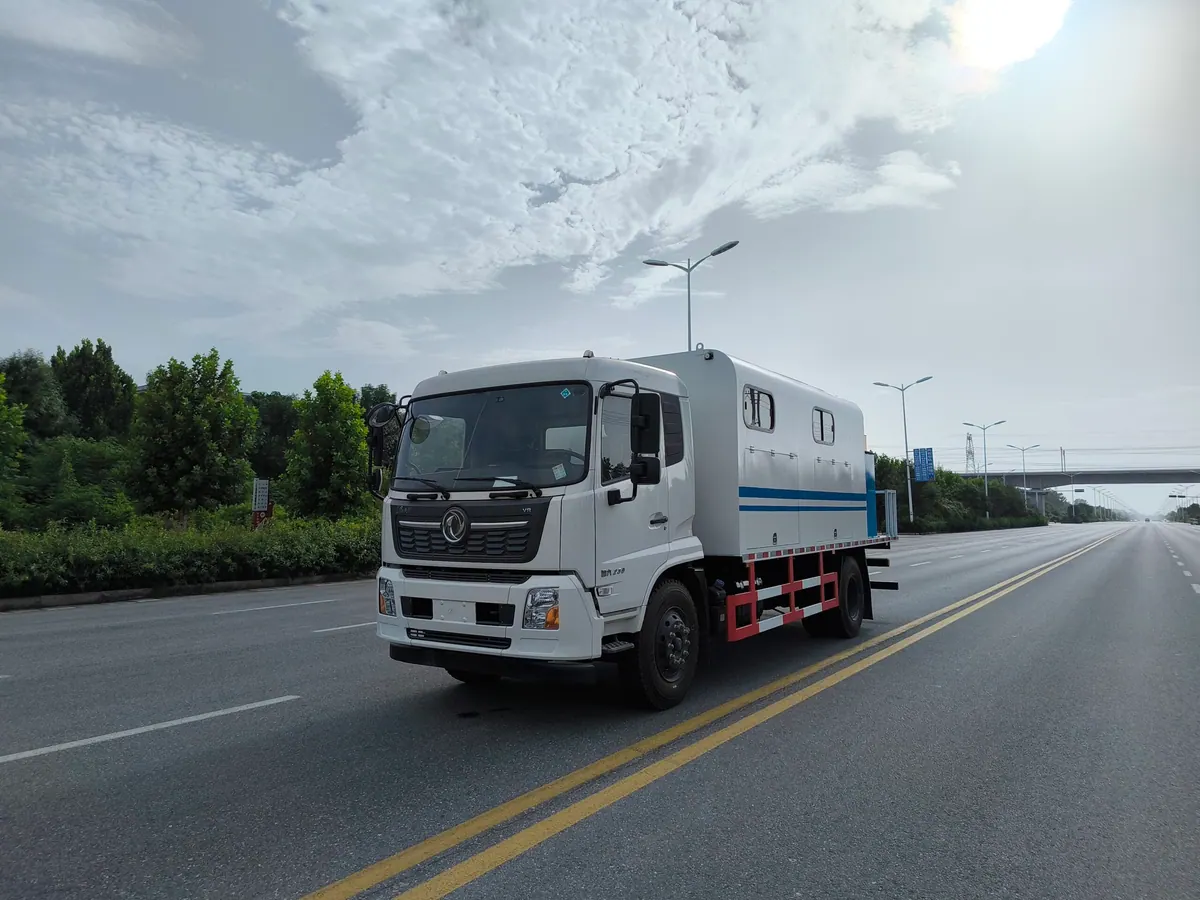
Select the oilfield boiler truck as an identified heating package for the accepted medium and receiving duty. Keep useful output, simultaneous operating cases, fuel, feedwater or fluid quality and installed equipment under one reviewed basis. External distribution, receiving equipment, condensate handling and site installation need assigned responsibilities. Neither a catalogue maximum nor a vehicle photograph establishes every included function. Ask for relevant component and assembly evidence, with limitations and deviations retained in the accepted offer. Actual heating and wellsite work require competent personnel, configuration-specific manufacturer information and approved project procedures.
For the wider equipment scope, consult the Oilfield Boiler Trucks: Feedwater Analysis Before Selection. Use the RFQ checklist to collect the supporting documents before requesting a configuration-specific quotation.
Buyer questions
Does a high feed-pump discharge rating remove inlet constraints?
No. Assess the actual source, water condition and installed arrangement.
Is acceptable water chemistry the same as adequate physical supply?
No. Review quality and source-to-inlet conditions as separate connected requirements.
Background and supplier contact
US Department of Energy steam-system resources offers related background, not certification of the equipment in a quotation. Applicability must be checked for the project and destination.
Explore the oilfield boiler truck, browse all technical resources, or visit Vance Petroleum for company information. Request an oilfield boiler truck proposal with the required medium, receiving duty, utility basis and destination requirements.