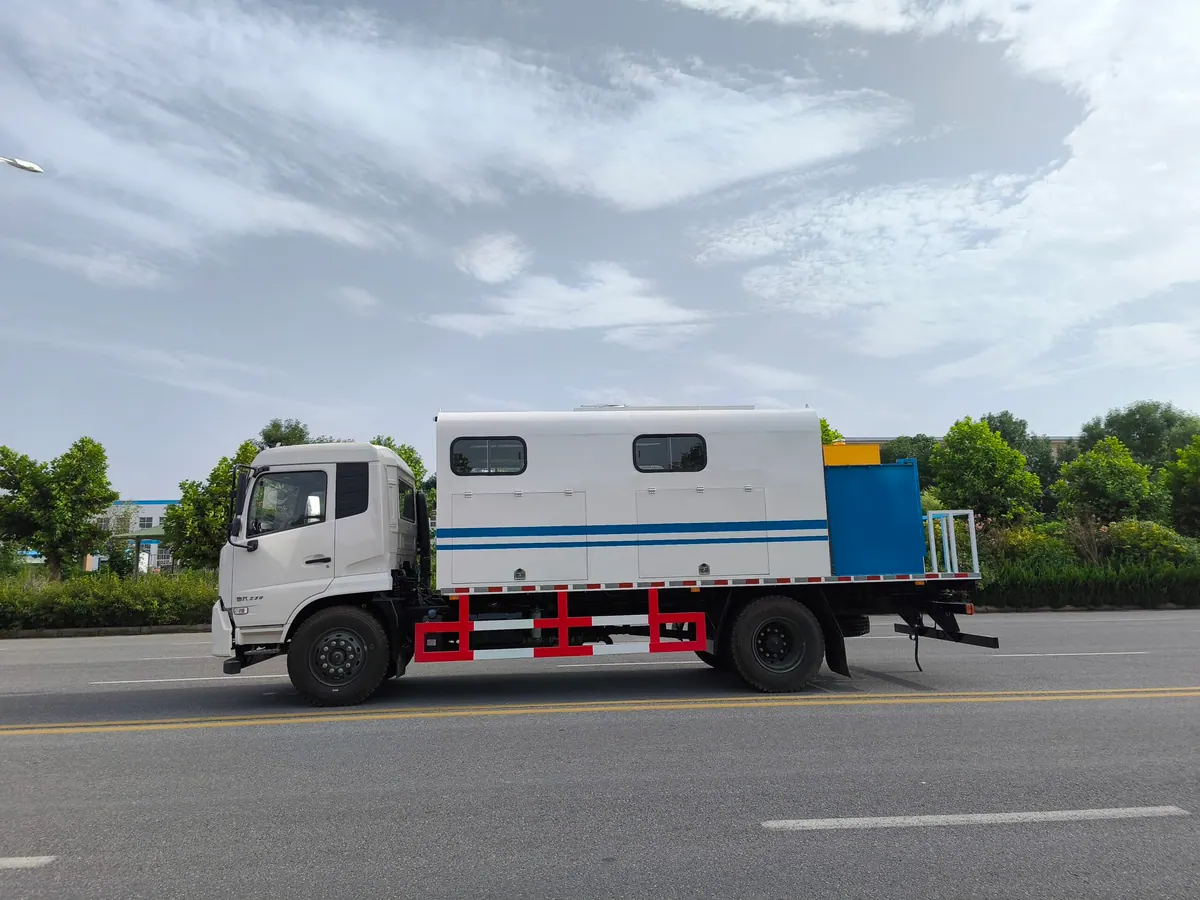
Keep the two sides distinguishable
Ask the manufacturer to identify relevant heat-transfer surfaces and service considerations for the actual boiler design. Fuel-side deposits and water-side conditions need different evidence and should not be merged into a single generic dirty-boiler diagnosis. The purchasing schedule should identify the supplied configuration and the information needed for review rather than assume that every mobile boiler has the same geometry, access arrangement or cleaning requirement.
Retain the operating context with observations
Request the records relevant to assessing a changed useful-duty result, including the accepted fuel and water basis where applicable. A temperature or consumption change can reflect different conditions as well as equipment state. Have the responsible provider identify useful comparison information. Procurement should establish the evidence and support boundary without promising that one symptom conclusively diagnoses soot, scale or another specific deposit in every field assignment.
Review the supplied inspection and service provisions
Ask which access and maintainability features are included for the identified equipment and what external facilities are needed. A visible external panel does not establish access to every relevant surface. Keep supplied provisions distinct from complete cleaning services. The order should support manufacturer-approved maintenance planning without prescribing entry, chemical treatment, dismantling or work on hot or pressurized equipment through an unreviewed general procedure.
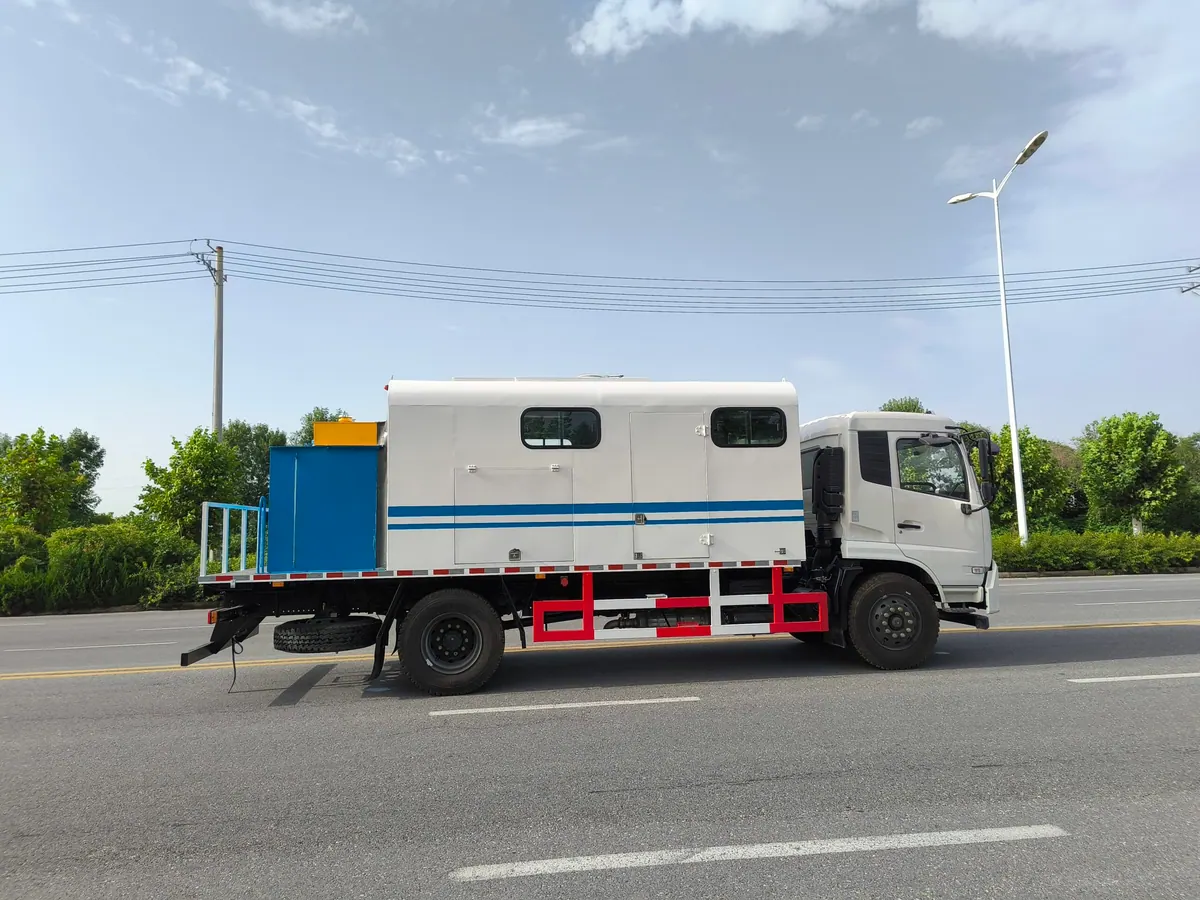
Assign assessment and service responsibilities
Have the supplier identify the documentation, competent support and agreed service scope for the actual package. Distinguish truck integrator, burner provider and boiler manufacturer responsibilities where they differ. An after-sales contact alone is not a complete maintenance plan. Compare included records and support honestly without inventing fixed response times, universal cleaning intervals or guaranteed restoration of rated output after any single service activity.
Agree the evidence after significant work
Ask what relevant inspection and verification records support the accepted return-to-service review. Keep any changed components or limits identifiable. A cleaner-looking surface does not by itself establish the complete supplied duty, and an earlier performance result may need qualification after configuration changes. Retain the actual findings and responsible disposition rather than treat a generic maintenance statement as proof that every original condition has been restored.
Compare maintainability with a usable diagnostic basis
Require the offer to identify inspection access, manufacturer information and service responsibilities for the actual heat-transfer equipment. Keep observed conditions connected to fuel, water and useful-duty records. A documented support arrangement can help the purchaser evaluate ownership requirements without promising universal fault diagnosis or fixed cleaning results. Actual maintenance and any return to operation require competent personnel, approved equipment-specific methods and relevant project acceptance. The boiler truck should not be advertised as immune to fouling or as retaining identical performance regardless of its actual service conditions.
Put these items side by side in the bid review
| Purchase item | Question to resolve | Evidence to request |
|---|---|---|
| Evidence | Which side and condition are being assessed? | Identified observations and duty records |
| Access | What provisions are supplied? | Manufacturer service and layout information |
| Support | Who assesses and closes findings? | Accepted service and verification scope |
Suggested wording for the quotation request
Include fouling-review and service provisions for the proposed oilfield boiler truck. Identify relevant fuel-side and water-side inspection information, access features, external facilities and manufacturer-supported maintenance documents. State supplier responsibilities and post-work verification scope, preserving actual findings and configuration changes. Avoid generic cleaning intervals or assured output-restoration claims unsupported by the identified equipment and service conditions.
Select the oilfield boiler truck as an identified heating package for the accepted medium and receiving duty. Keep useful output, simultaneous operating cases, fuel, feedwater or fluid quality and installed equipment under one reviewed basis. External distribution, receiving equipment, condensate handling and site installation need assigned responsibilities. Neither a catalogue maximum nor a vehicle photograph establishes every included function. Ask for relevant component and assembly evidence, with limitations and deviations retained in the accepted offer. Actual heating and wellsite work require competent personnel, configuration-specific manufacturer information and approved project procedures.
For the wider equipment scope, consult the Oilfield Boiler Truck: Maintenance Guide. Use the RFQ checklist to collect the supporting documents before requesting a configuration-specific quotation.
Buyer questions
Does a changed outlet temperature identify one deposit cause?
No. Review the actual duty, fuel, water and equipment evidence.
Does an access panel include complete cleaning services?
Not unless the offer explicitly defines those services and responsibilities.
Background and supplier contact
US Department of Energy steam-system resources offers related background, not certification of the equipment in a quotation. Applicability must be checked for the project and destination.
Explore the oilfield boiler truck, browse all technical resources, or visit Vance Petroleum for company information. Request an oilfield boiler truck proposal with the required medium, receiving duty, utility basis and destination requirements.