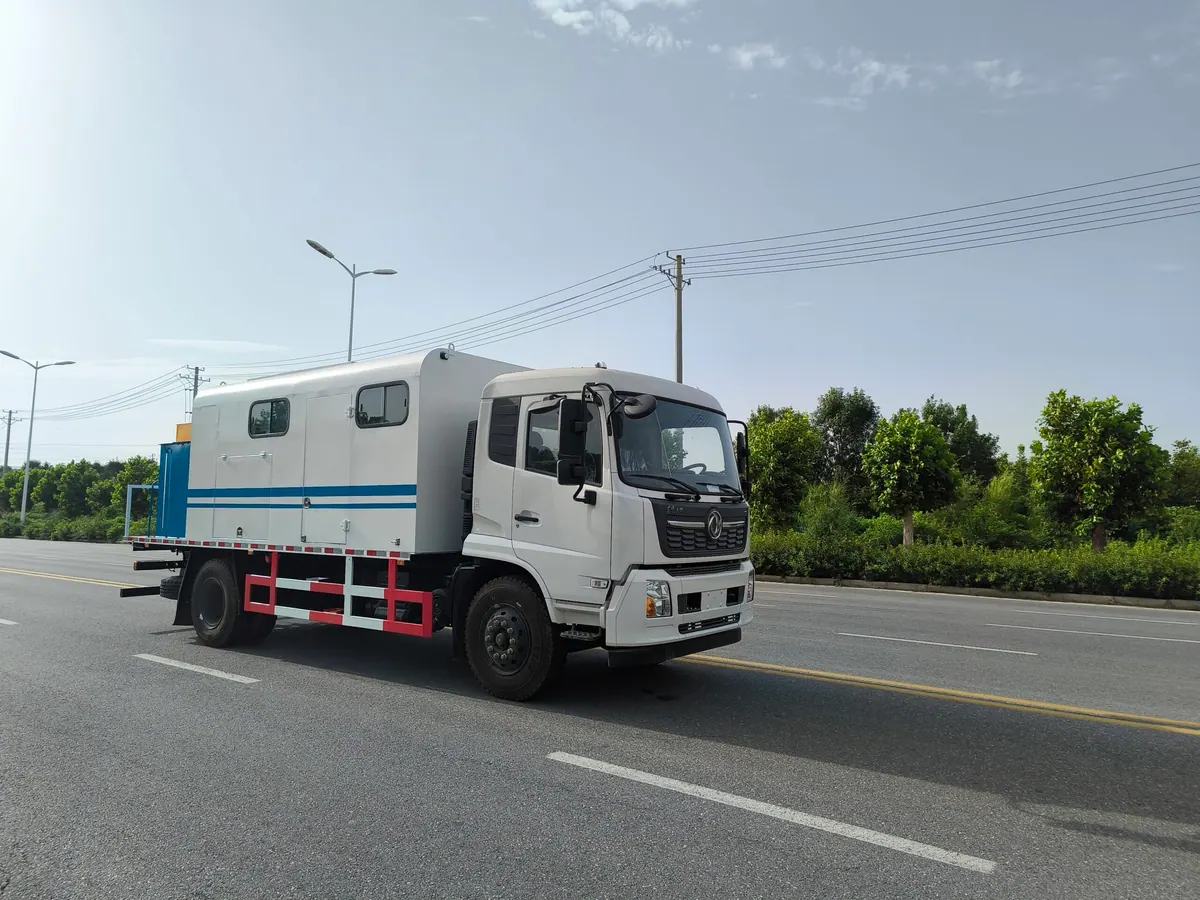
Identify the accepted configuration baseline
Record the proposed boiler, burner, relevant controls and interfaces against the accepted offer revision. Keep provisional selections and options distinguishable. A truck model name may not identify every important component. The supplier and purchaser need one controlled baseline so a proposed alternative can be assessed against the actual heating assignment rather than a vague promise to deliver equipment of equal or better quality.
Trace the effect through the complete duty
Ask the provider how the substitute supports the selected medium, useful output and relevant working cases. A similar burner-input value or temperature maximum does not establish equivalent complete performance. Keep fuel, water and operating-range assumptions visible. Procurement should require a coherent configuration response without assuming that a favorable component rating resolves every interface or that two catalogue descriptions demonstrate the same actual accepted truck duty.
Review connected equipment and functions
Have the responsible providers assess affected connections, power, controls, protection and relevant layout or service requirements. A component substitution can change more than its own line in the equipment list. Identify any additional external work or documents required. The purchase review should expose those consequences rather than accept a mechanical fit or a familiar brand as proof that every surrounding function and responsibility remains unchanged.
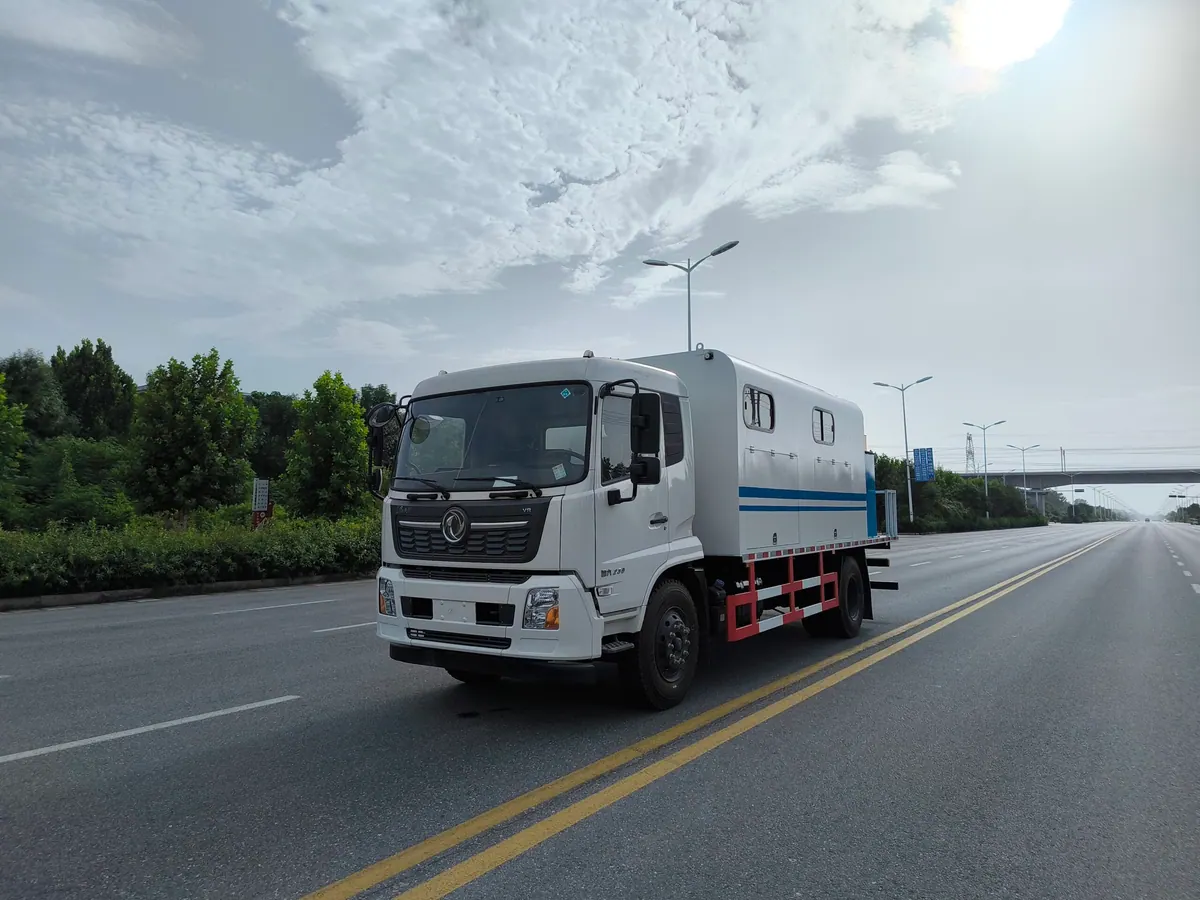
Reconcile the supporting evidence
Request relevant selection, inspection and verification records for the proposed revised assembly. State which earlier evidence remains applicable and which needs further review. A certificate for the original component cannot silently identify the substitute. Keep destination and project documentation responsibilities visible, without inventing universal equivalence or treating a successful demonstration of another model as complete acceptance of the configuration that will actually be delivered.
Accept changes through the agreed authority
Identify who reviews and approves the technical and commercial consequences, then update the final equipment and document schedules. Retain the earlier revision as history rather than erase it. The purpose is a usable change route, not automatic rejection of every supported alternative. Keep unresolved inputs, price and milestone effects explicit so manufacture and handover proceed on one accepted basis instead of a mixture of incompatible component promises.
Compare supported equivalence, not adjectives about replacement quality
Require the proposed substitute to be assessed at the actual package boundaries and duty cases. Keep performance, interfaces, documents and service responsibilities connected to the decision. A responsible supplier may offer a suitable alternative with clearly stated changes, while an unrestricted equivalent-or-better phrase can conceal important differences. The accepted order should identify the actual supplied equipment and evidence without assuming that identical maxima, brand familiarity or physical fit establishes every property needed by the purchaser’s boiler-truck assignment.
Put these items side by side in the bid review
| Purchase item | Question to resolve | Evidence to request |
|---|---|---|
| Baseline | Which accepted item is being replaced? | Controlled offer and equipment register |
| Impact | What changes across the complete package? | Provider duty and interface response |
| Approval | What evidence and commercial changes are accepted? | Reviewed variation and final records |
Suggested wording for the quotation request
Assess any proposed boiler, burner or relevant component substitution against the accepted oilfield boiler truck baseline. Identify effects on useful duty, medium, utilities, controls, protection, interfaces and supporting evidence. State required document, price and milestone changes separately. Obtain the agreed review and update final records rather than assume similar headline ratings or an equivalent-or-better description establish complete package equivalence.
Select the oilfield boiler truck as an identified heating package for the accepted medium and receiving duty. Keep useful output, simultaneous operating cases, fuel, feedwater or fluid quality and installed equipment under one reviewed basis. External distribution, receiving equipment, condensate handling and site installation need assigned responsibilities. Neither a catalogue maximum nor a vehicle photograph establishes every included function. Ask for relevant component and assembly evidence, with limitations and deviations retained in the accepted offer. Actual heating and wellsite work require competent personnel, configuration-specific manufacturer information and approved project procedures.
For the wider equipment scope, consult the Oilfield Boiler Truck Manufacturer Guide. Use the RFQ checklist to collect the supporting documents before requesting a configuration-specific quotation.
Buyer questions
Does a similar component rating establish an equivalent truck?
No. Review the full duty, interfaces and evidence for the actual assembly.
Should every alternative be rejected automatically?
No. Use a defined technical and commercial review to accept supported changes.
Background and supplier contact
OSHA oil and gas extraction guidance offers related background, not certification of the equipment in a quotation. Applicability must be checked for the project and destination.
Explore the oilfield boiler truck, browse all technical resources, or visit Vance Petroleum for company information. Request an oilfield boiler truck proposal with the required medium, receiving duty, utility basis and destination requirements.