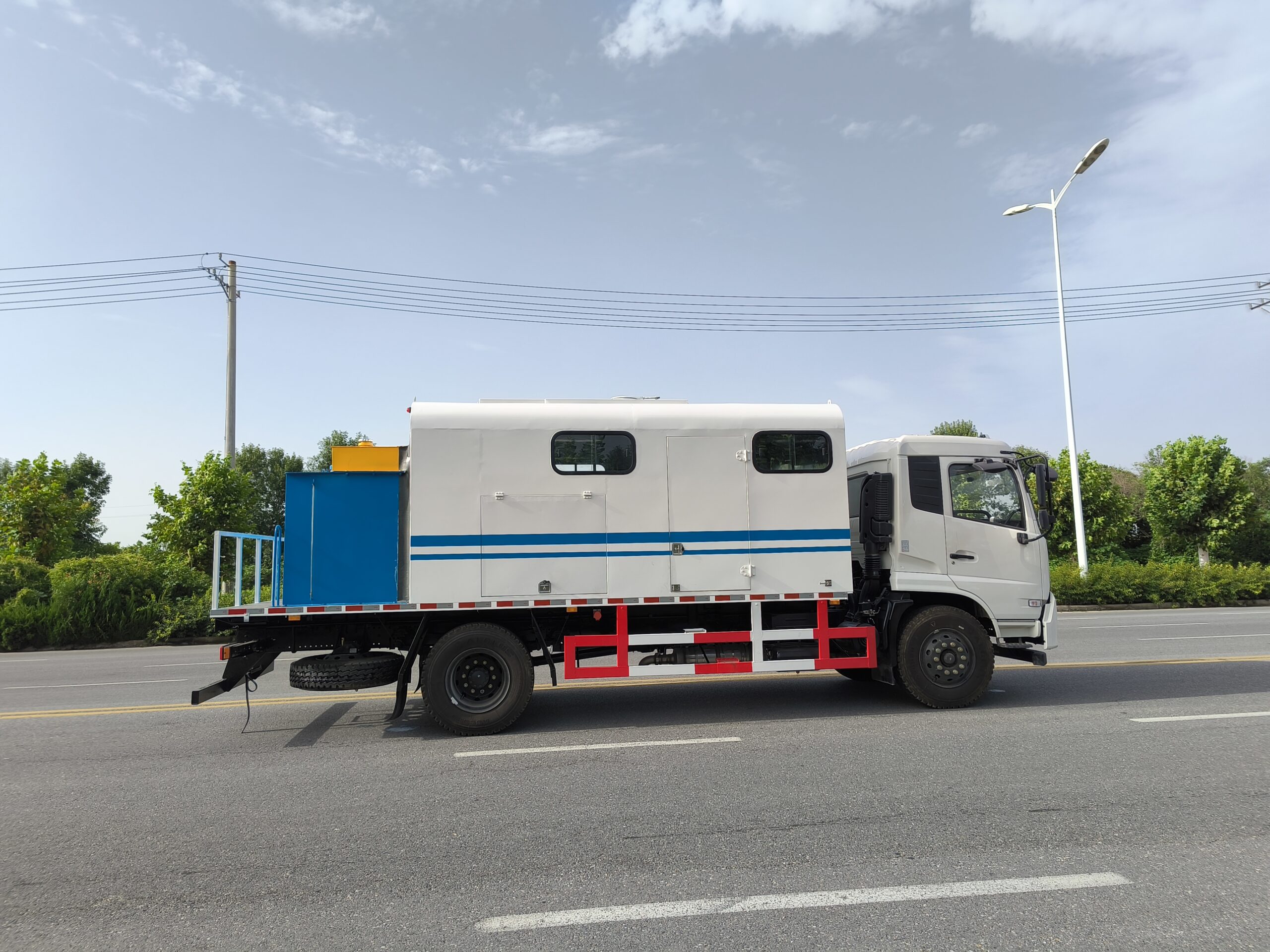
Define the point where performance matters
State the pressure, steam condition and required rate at the receiving connection. Include line length, elevation, fittings and insulation in the delivery review. The boiler outlet condition must account for the engineered connection arrangement. Comparing packages only by outlet capacity can miss losses or pressure requirements outside the skid boundary.
Review warm-up and condensate handling
A cold delivery system behaves differently during warm-up from established operation. Condensate management and the approved warm-up sequence need an equipment-specific design. Identify drains, collection routes and personnel exposure in that review. Do not use an arbitrary valve-opening sequence from another installation; temporary steam systems still require a controlled operating procedure.
Compare delivered performance under matching conditions
Measure at agreed points with suitable instruments and record the operating stage. Include ambient conditions and changes in line routing. If the delivery arrangement is extended for another job, reassess the losses and control behavior. The previous setup’s successful operation does not automatically establish the new connection’s suitability.
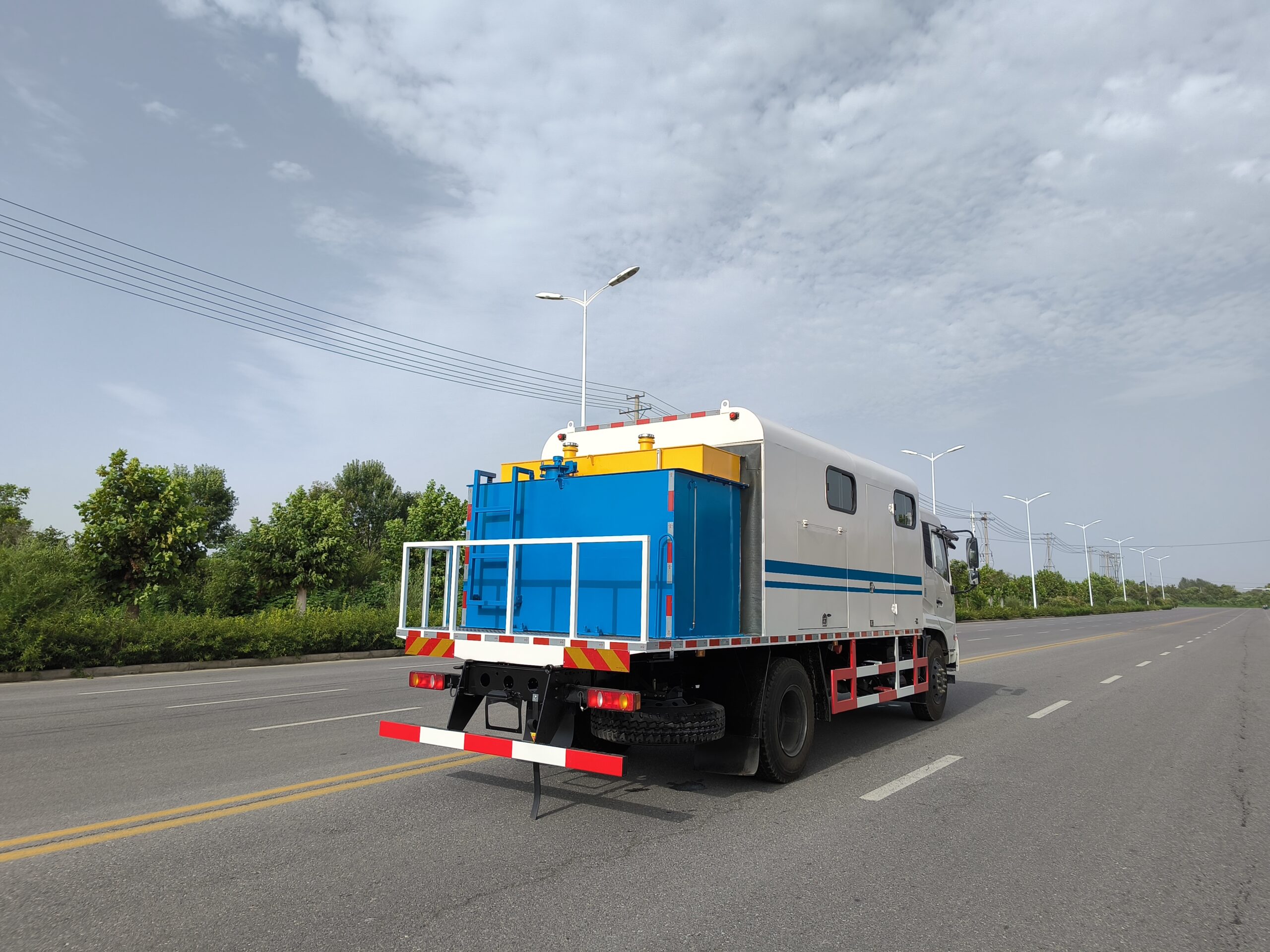
Evidence to collect for this decision
| Condition | Review action | Useful evidence |
|---|---|---|
| Long temporary line | Review pressure and heat losses | Route, insulation and delivery duty |
| Cold startup | Provide condensate management | Approved warm-up design |
| Changed routing | Revalidate the receiving condition | Updated line calculation |
Keep these observations with the equipment reference and operating conditions. When comparing proposals or service findings, check that each record describes the same configuration and duty. Resolve missing inputs with the responsible engineer before treating an estimate as an accepted operating limit.
Review heat delivery together with operating limits
A thermal-duty statement should identify the incoming fluid condition, required outgoing condition, flow and duration. Define the point at which performance is accepted: heater outlet, receiving connection or another agreed location. Losses between those points belong in the engineering calculation. State the equipment and connection temperature limits independently from the desired process result, since a treatment objective does not change a component rating.
Compare startup with established operation and record any significant change in ambient conditions or incoming fluid. The responsible specialist should review the heat balance and the controls needed for the offered arrangement. Fuel, feedwater or circulating-liquid quality can affect suitability as well as capacity. If operation departs from the approved envelope, use the equipment procedure and investigate the cause. Increasing a setpoint without understanding a changed heat balance can obscure the problem and does not demonstrate useful heat at the intended destination.
Apply the review to the offered oilfield boiler truck
Specify mobile steam duty at the receiving boundary and identify the boiler design being offered. Water treatment, fuel supply and the temporary delivery line are part of the usable system. Review both initial warm-up and sustained operation under the actual site conditions.
- Required steam output: record the project range and identify whether the value is measured, calculated or still provisional.
- Working pressure and steam quality: state the accepted limit and the equipment or process boundary to which it applies.
- Available feedwater quality: include variation through the job instead of relying only on the normal operating value.
- Fuel availability: identify the responsible supplier or site team and the evidence needed before acceptance.
- Road and axle-load limits: review the case that governs this requirement and retain its basis with the equipment records.
The complete package is intended for mobile steam generation for well stimulation, pipeline cleaning, tank heating and cold-weather production support. Confirm the scope of the coil-type steam generator, automatic multi-fuel burner, feedwater and chemical-dosing package, truck-mounted PLC control system against the selected duty. Use the specifications and sizing guide for the broader equipment requirements and the RFQ checklist to organize the supporting documents.
Questions about this equipment decision
Does a boiler steam-rate rating guarantee the same rate at the job connection?
Not by itself. Delivery losses, pressure requirements and steam condition at the receiving point must be included in the system review.
What information helps review this oilfield boiler truck requirement?
Provide route, insulation and delivery duty; approved warm-up design; updated line calculation, together with the installed equipment identification and the proposed operating conditions.
References and project support
Steam system assessment resources provides additional background. For the equipment range and company information, visit Vance Petroleum. Share the relevant duty and records when requesting a project-specific review.